
Float Switch


Automatic Dual Float Level Switch, 5A/220V


Miniature Float Level Switch for Water Tank, PP Plastic


Plastic Cable Float Level Switch, SPDT, 110/220V
A float switch is a device used to detect and control liquid levels in tanks or containers. It operates automatically by sensing changes in the liquid level and opening or closing an electrical circuit accordingly. Float switches are widely used in residential, commercial, and industrial applications.
Working Principle
The float switch works based on the principle of buoyancy. As the liquid level rises, the float moves upward and activates an internal switch. When the liquid level drops, the float moves downward and resets the switch. This simple mechanical action allows the system to control pumps, trigger alarms, or regulate fluid levels efficiently.
Applications and Features
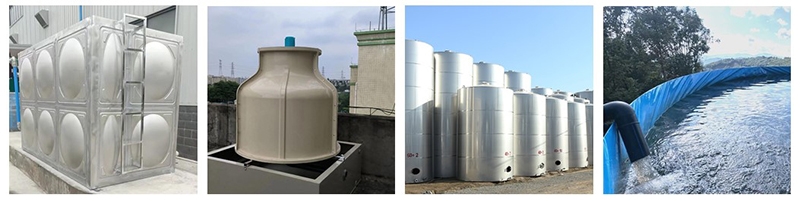
Float switches are known for their simple structure, low cost, easy installation, and reliable performance. They are commonly used in water tanks, sump pumps, wastewater systems, and industrial storage tanks. Despite the development of advanced electronic sensors, float switches remain a practical and dependable solution for basic liquid level control.
One of the main advantages of float switches is their durability and low maintenance requirements. They do not require complex programming or calibration, making them suitable for straightforward level control tasks. However, because they rely on mechanical movement, they may experience wear over time and are generally less precise than electronic level sensors in high-accuracy applications.


