
Radar Level Sensor


Guided Wave Radar Level Sensor, 4-20mA, 0-30M

26 GHz Radar Level Sensor for Liquid, 4-20mA/RS485, 0-30M
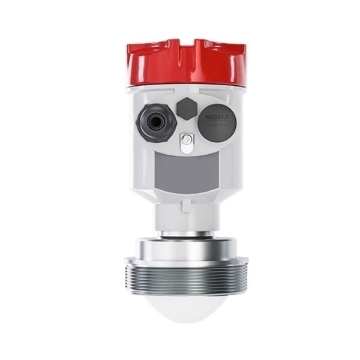


80 GHz Radar Level Transmitter for Liquid/Solid/Powder, 4-20mA/RS485

Non Contact Radar Level Sensor for Corrosive Liquid, 4-20mA/RS485, 0-10M

Non Contact Radar Liquid Level Sensor, 4-20mA/RS485, 0-20M


Non Contact Radar Type Level Sensor for Solid/Powder, 4-20mA/RS485, 0-40M

Non Contact Radar Type Level Transmitter for Solid/Powder, 4-20mA/RS485, 0-50M


Non Contact Radar Water Level Sensor, 4-20mA/RS485, 0-70M

Radar Level Sensor for Tank/Corrosive Liquid, 4-20mA/RS485, 0-20M


120 GHz Radar Water Level Sensor, RS485
A radar level sensor is a device that measures the level of materials, either liquids, slurries, or solids, inside a container using microwave radar signals. These sensors operate on the principle of time-of-flight or frequency modulation, sending high-frequency electromagnetic waves toward the target surface and receiving the reflected signals. The time it takes for the wave to travel to the surface and back is used to calculate the distance, which is then converted into a level measurement.
Unlike ultrasonic level sensors, radar sensors are unaffected by dust, vapor, foam, or extreme temperature changes, making them ideal for harsh industrial environments. They provide continuous measurement, allowing operators to monitor process levels in real-time.
Types of Radar Level Sensors
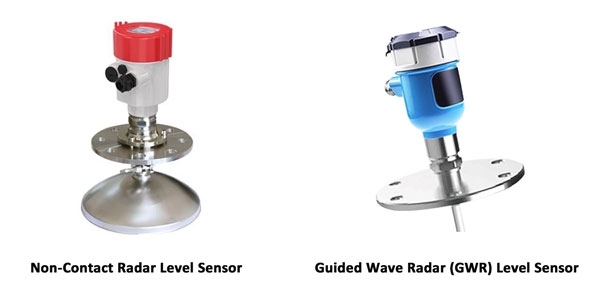
Radar level sensors can be broadly categorized into two types: non-contact radar sensors and guided wave radar sensors.
Non-Contact Radar Level Sensors
Non-contact radar sensors emit radar waves from above the material surface. The waves travel through the air, hit the surface, and reflect to the sensor. This type is suitable for applications where physical contact with the material is undesirable, such as corrosive liquids, toxic chemicals, or hot processes. These sensors are also preferred for materials that tend to build up on the sensor or are difficult to handle mechanically.
Guided Wave Radar (GWR) Level Sensors
Guided wave level radar sensors use a probe or cable to guide the radar signal to the material. The radar waves travel along the probe and reflect from the material surface. GWR level sensors are highly accurate and effective in challenging applications, such as measuring materials with high viscosity, turbulence, or vapor interference. They are widely used in oil and gas, chemical processing, and wastewater treatment industries.
Industrial Applications
Radar level transmitters are versatile and used across multiple industries, including:
- Chemical Industry: In chemical plants, accurate measurement of corrosive, volatile, or toxic chemicals is critical. Radar sensors provide reliable, non-contact measurement, ensuring safety and process control.
- Oil and Gas: Radar level sensors are widely used in oil and gas storage tanks, separators, and offshore platforms. They monitor crude oil, petroleum products, and other hydrocarbons, even under extreme temperature and pressure conditions.
- Food and Beverage: For applications like milk storage, beverage tanks, and ingredient silos, radar level sensors ensure precise inventory monitoring and production consistency without contamination risks.
- Water and Wastewater Treatment: In water treatment plants, radar sensors measure water levels, sludge, and chemical solutions. Their ability to operate under foamy or turbulent conditions makes them ideal for wastewater applications.
- Cement, Mining, and Bulk Solids: Radar level transmitters can accurately measure levels in silos containing powders, granules, or aggregates. Their resistance to dust, vibration, and temperature changes ensures reliable performance in bulk solid handling.
Radar level sensors are a highly reliable, accurate, and versatile solution for continuous level measurement in industrial applications. Whether measuring liquids, solids, or slurries, their non-contact operation, high accuracy, and resistance to extreme conditions make them a superior choice over traditional level measurement devices.


