All Categories
    Menu Close
    Find a Sensor A - Z

    Blog

    2026 Signal Isolator Compliance Self-Assessment Checklist
    2026 Signal Isolator Compliance Self-Assessment Checklist
    This white paper answers one question: how do the 2026 regulations affect your signal isolators? Pure analogue? Exempt. Smart (HART/RS‑485/Bluetooth)? Mandatory by 11 Dec 2027. ATEX digital DoC? The QR link must stay live for 10+ years – or risk market surveillance action. Jump to your role above for the details, or browse our [Signal Isolator Technical Catalog] for regulation‑ready hardware.
    How Rain Sensors Work in Different Weather Conditions?
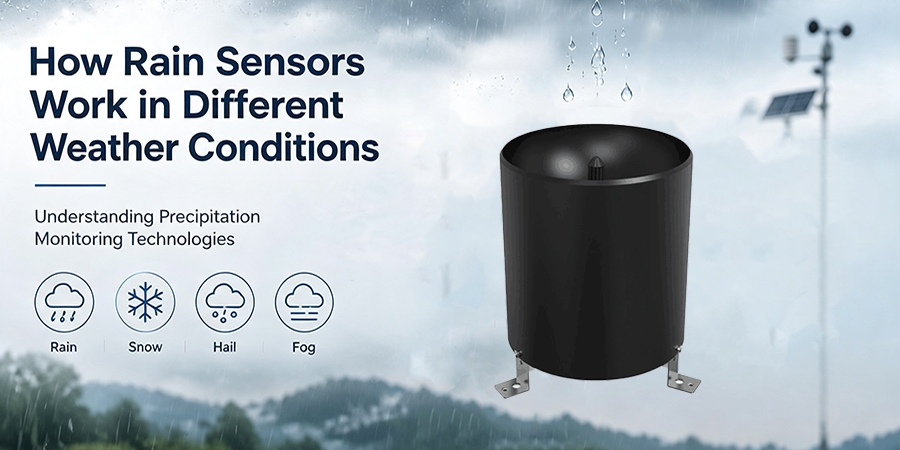
    How Rain Sensors Work in Different Weather Conditions?
    Rain sensors are important components in modern weather monitoring systems. They are widely used in applications such as agriculture, smart cities, transportation, and environmental monitoring. The main purpose of a rain sensor is to detect rainfall or measure precipitation changes. By collecting environmental data, these sensors help monitoring systems understand weather conditions and support automated control and decision-making.
    Global Standards Map: Vibration Sensor Compliance & Selection Guide
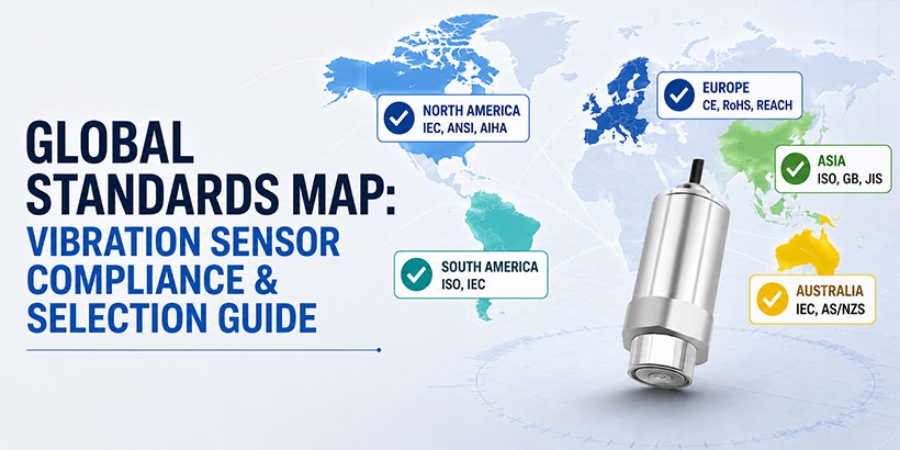
    Global Standards Map: Vibration Sensor Compliance & Selection Guide
    This page offers a quick reference for vibration sensor selection per ISO 20816‑3, DIN 4150‑3, and ATEX/IECEx. Tables summarize key metrics, hardware, roles, and pitfalls. It also covers Ex d IIC T6 selection, calibration curves, installation tips, tailored advice, certificate management, and FAQs. Designed for maintenance engineers, OEMs, civil teams, and EHS professionals in petrochemicals.
    What Is a Tilt Sensor?
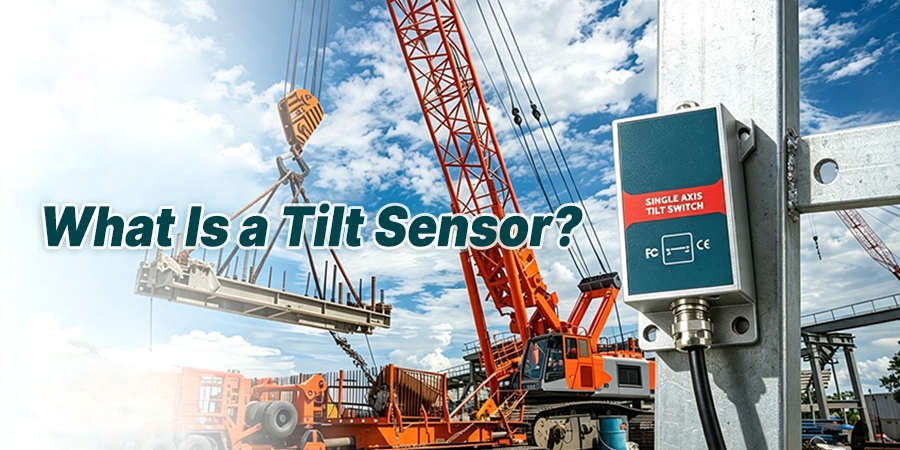
    What Is a Tilt Sensor?
    If you've ever needed to know whether a piece of equipment is level, leaning, or shifting out of position, you've run into the exact problem a tilt sensor is designed to solve. This guide covers what tilt sensors are, how they work, the different types available, and what to look for when choosing one. If you're not sure which configuration fits your setup, feel free to reach out—we're happy to help you find the right match from our tilt sensor lineup.
    Are Soil Moisture Sensors Accurate Enough for Automatic Watering?
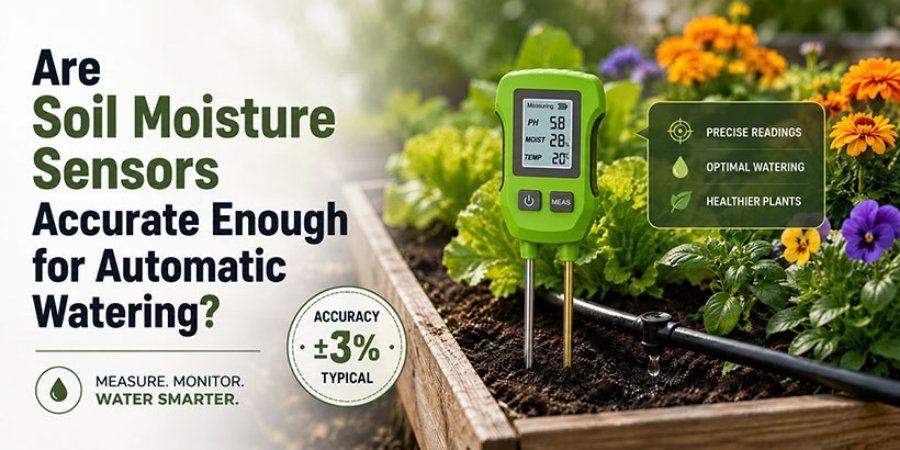
    Are Soil Moisture Sensors Accurate Enough for Automatic Watering?
    Whether a soil moisture sensor is suitable for automated watering depends on whether it is a digital, wireless, analog output, or RS485/Modbus sensor. Soil moisture sensors are useful tools for determining when plants truly need water, but choosing the right sensor depends on soil type, installation depth, output signal, and irrigation control requirements. For more information on soil moisture sensor types, applications, and monitoring solutions, please visit SUCH Sensor.
    How to Calibrate Soil Moisture Sensors for Different Soil Types?
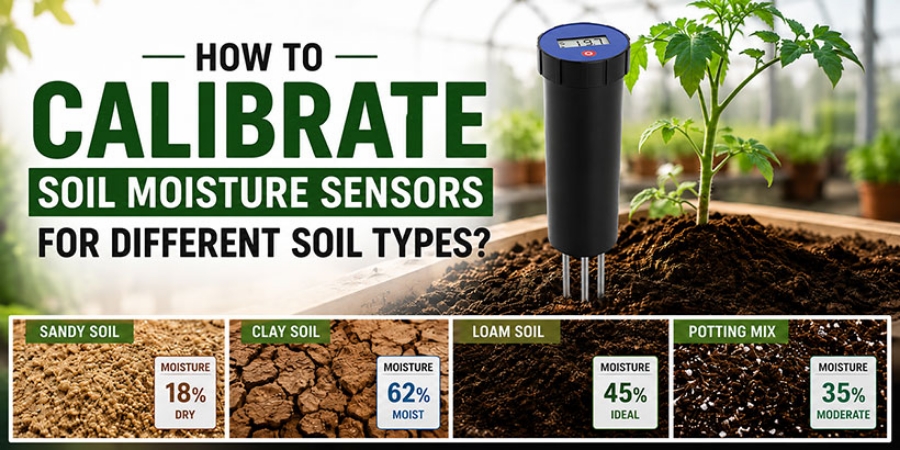
    How to Calibrate Soil Moisture Sensors for Different Soil Types?
    Soil moisture sensors are extremely useful in agriculture, gardening, greenhouses, farms, and smart irrigation systems, but their accuracy depends largely on calibration. M oisture sensors do not simply “know” whether the soil is dry or wet. For smart irrigation projects, you can explore soil moisture sensor types such as SUCH Sensor to help you implement a more effective soil monitoring solution.
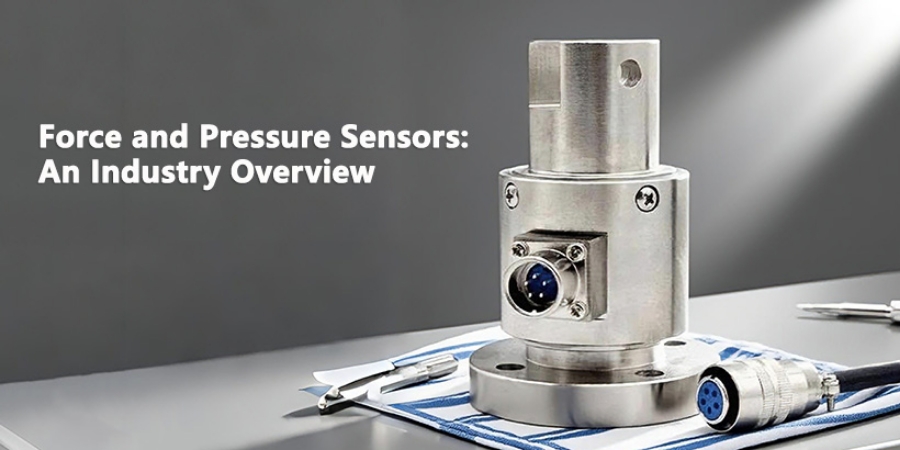
    Force and Pressure Sensors: An Industry Overview
    Force and Pressure Sensors: An Industry Overview
    The measurement of force and pressure plays a vital role across numerous industrial sectors, from manufacturing and aerospace to healthcare and automotive engineering. Accurate force and pressure sensing is critical for ensuring process efficiency, product quality, and safety compliance. In recent years, with the development of smart manufacturing and IoT applications, force and pressure sensors have evolved significantly in terms of precision, stability, and integration.
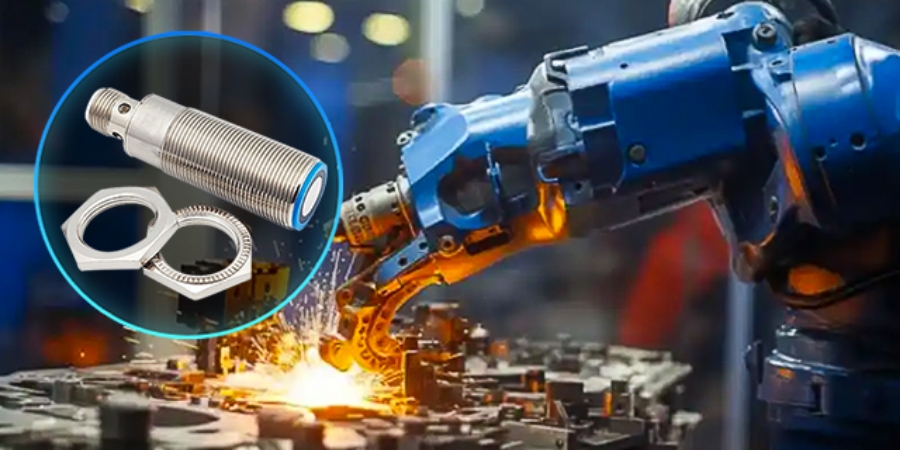
    Types and Solutions of the Motion & Position Sensors
    Types and Solutions of the Motion & Position Sensors
    In the field of motion and position, sensors are needed to detect key parameters such as the position, speed, acceleration and direction of objects to ensure the accuracy and stability of system operation. The highly sensitive sensors provided by SUCH online shopping platform are widely used in automation equipment, robots, logistics and transportation systems, and intelligent transportation systems to achieve position tracking, path control and posture adjustment, and improve overall efficiency and safety.
    Sensor Types and Solutions for Water Quality Monitoring
    Sensor Types and Solutions for Water Quality Monitoring
    Water quality significantly impacts human quality of life, and water quality directly affects human health. In recent years, sensors have seen rapid development and application in water pollution monitoring, capable of accurately detecting parameters such as pH, conductivity, turbidity, salinity, and water leaks. This article will provide a comprehensive overview of common types of water quality sensors, typical application scenarios, and recommended products and solutions.
    Overview of Sensors for the Electrical Industry
    Overview of Sensors for the Electrical Industry
    In the power industry, precise sensors are indispensable in every link from power generation, transmission, to distribution. Sensors monitor key parameters such as current, voltage, and magnetic fields in real time, converting invisible electrical energy into measurable and analyzable data, and providing data support for the construction and operation and maintenance of power grids. SUCH.com will help you understand the indispensable sensors in the power industry and their solutions in different scenarios.
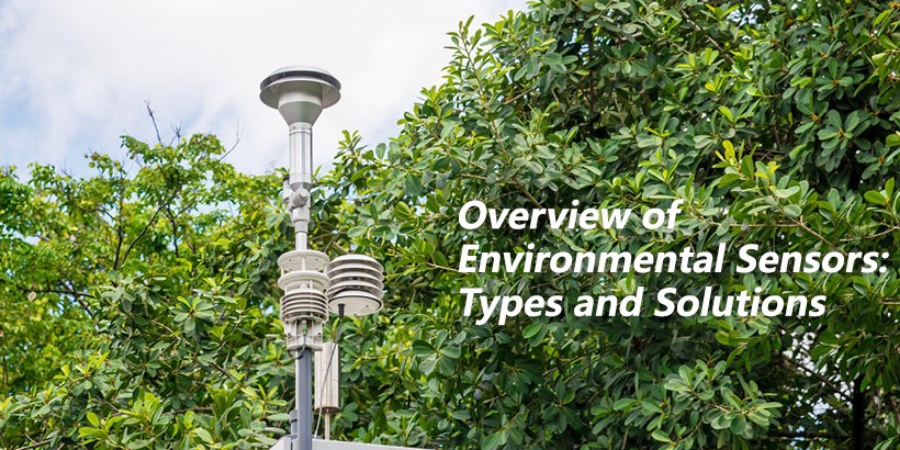
    Overview of Environmental Sensors: Types and Solutions
    Overview of Environmental Sensors: Types and Solutions
    Environmental sensors are devices used to monitor and measure various physical, chemical, or biological parameters in the environment. They can collect real-time data on air quality, temperature, humidity, and other parameters, providing support for environmental protection, indoor air quality management, and other fields. In this article, the sensor store will comprehensively introduce common sensor types in the environmental field, typical application scenarios, and recommended products and solutions.
    Overview of Optical Sensors: Types and Solutions
    Overview of Optical Sensors: Types and Solutions
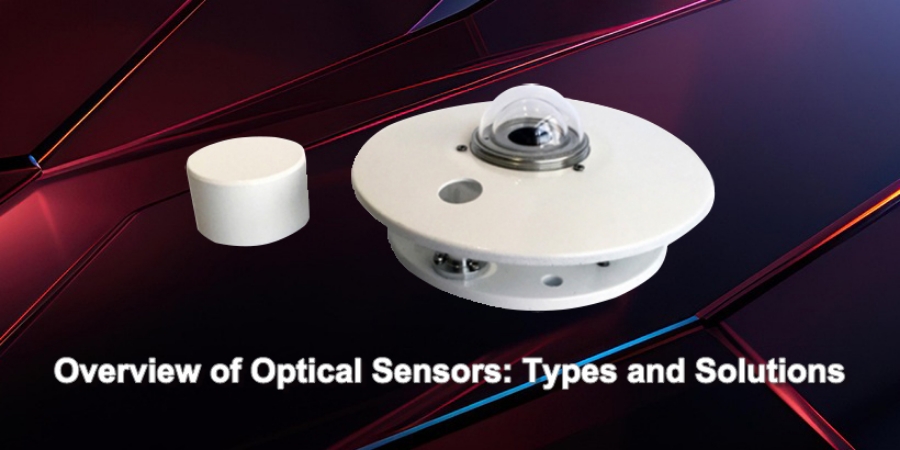
    The optical industry is a high-precision field that relies heavily on advanced sensor technology to maintain accuracy, improve automation and ensure product quality. From lens manufacturing to laser applications and optical fiber, various types of sensors play a key role in optimizing production and inspection processes. SUCH online store will focus on sensors used in the optical industry, explore their characteristics in depth, and recommend related products and solutions.
    Automotive Sensor Overview: Type and Application
    Automotive Sensor Overview: Type and Application
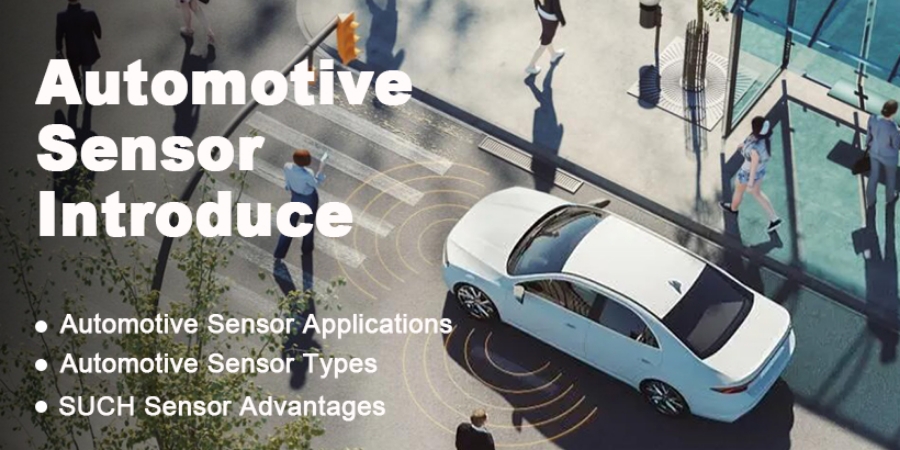
    Automotive sensors are essential components in modern vehicles, responsible for detecting physical, chemical, or mechanical variables—such as position, speed, pressure, temperature, or gases—and converting them into signals that can be interpreted by the Electronic Control Unit (ECU). These signals enable real-time vehicle control, diagnostics, and safety optimization. This article explores the various types of automotive sensors, and the distinctive benefits of choosing SUCH sensor solutions.
    Automotive Sensor Solution for Europe/Middle East
    Automotive Sensor Solution for Europe/Middle East
    Meeting strict emission regulations in European cities and addressing the safety demands of electric vehicles (EVs) in rapidly growing Middle Eastern markets require advanced sensor technologies. This article explores targeted automotive sensor solutions that address region-specific challenges—ranging from exhaust monitoring to EV battery safety—supporting manufacturers and regulators in building a more sustainable and intelligent transportation ecosystem.
    Automotive Sensor Solution for Southeast Asia
    Automotive Sensor Solution for Southeast Asia
    The automotive environment in Southeast Asia presents unique technical challenges for vehicle electronic systems, primarily due to its unique geographical location and environment, as well as a market structure dominated by cost-sensitive motorcycles and compact passenger cars. To ensure system reliability and compliance with regulatory requirements, SUCH provides feasible automotive sensor solutions for various scenarios while supporting simplified ECUs and meeting low-power budgets.