
Vibration Sensor


2-in-1 Vibration Transmitter, Vibration & Temperature


3-Axis RS485 Vibration Transmitter, Predictive Maintenance, Bearing Diagnosis


4-20mA Vibration Transmitter, Loop Powered, for PLC Control


Explosion Proof Vibration Transmitter, Digital Display, Exd IIC T6


High Temperature Vibration Transmitter, Up to 150°C


Portable Magnetic Vibration Transmitter, Horizontal & Vertical
Vibration sensors are machine health monitors. They catch trouble early. They turn physical shaking into electrical signals. Computers read those signals. Then vibration transmitters decide if the machine is safe. We offer flexible configurations for different needs—high-temperature zones, hazardous areas, and digital communication systems. Check the comparison matrix below to match your exact condition.
Where are they used?
You see them in heavy industries. Power plants use them on wind turbines and gas generators. Oil refineries and chemical plants depend on them too. Manufacturing lines use them on pumps and conveyor belts. Aviation and auto industries use them to test engines. Basically, any machine that spins needs vibration monitoring.
How do they work?
Sense the shake. Inside the device is an accelerometer. It has a tiny weight. When the machine vibrates, that weight moves. Turn movement into data. That movement creates a small electrical charge. This is called the piezoelectric effect. The internal circuit cleans up the signal and removes background noise. Send the number. The final output is a standard 4-20 mA current. That signal goes to a control room computer. The computer watches it 24/7.
Why does this matter?
If vibration gets too high, the system sounds an alarm. Or it shuts the machine down automatically. This prevents expensive breakdowns. It also keeps workers out of danger. In short, it uses data to guard your machines. So failures never catch you by surprise.
Quick Model Finder
Pick your situation below and jump straight to the matching model.
Level 1: Standard 4-20mA system
Threaded permanent mount → 4-20mA Vibration Transmitter
Magnetic portable mount → Portable Magnetic
Level 2: Smart IIoT / RS485 system
Need Modbus communication → 3-Axis RS485
(Choose threaded or magnetic mounting)
Level 3: Extreme / Special conditions
Over 100°C → High Temperature
Hazardous / Explosive area → Explosion-Proof
Need vibration + temperature together → 2-in-1 Vibration & Temperature
Once you find your model, scroll down to the tables below to check the full technical specs.
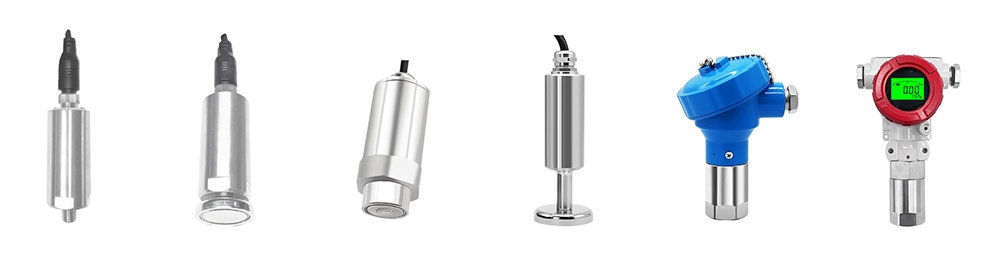
Sensing & Measurement Performance
This table shows what each model measures, how fast it responds, and how wide its range is. Use it to check the sensing performance that fits your machine.
|
Product |
Measurement Type |
Full-scale Range |
Output Signal Type |
|
Velocity |
0-20mm/s 0-50mm/s Optional |
4-20mA (2-wire) |
|
|
Velocity |
0-20mm/s 0-50mm/s Optional |
4-20mA (2-wire) |
|
|
Velocity |
0-50mm/s 0-199.9mm/s Optional |
4-20mA / RS485 |
|
|
Vibration + Temperature |
V: 0-20mm/s T: 0-200°C |
Dual 4-20mA |
|
|
Velocity |
0-20mm/s 0-10/50mm/s Optional |
4-20mA (2-wire) |
|
|
Velocity / Accel. |
V: 0-50mm/s A: 16g |
RS485 Modbus-RTU |
FAQ
Q1: Will vibration from other directions affect the reading?
A: It depends on the model. Most are single-axis sensors; they measure only one direction. If you need multi-direction, we can customize. For standard setups, mounting alignment matters more than cross-axis interference.
Q2: Can it survive physical impacts or shocks?
A: Yes, all models are built with rugged housings for typical industrial use. But if your machine has heavy hammering or frequent drops, we recommend adding a protective cover — talk to us for details.
Q3: Does it prevent ground loop interference?
A: It doesn't have built-in isolation, but we recommend using shielded cable and proper grounding practices. If your system is prone to ground loops, we can add signal isolators on request.
Q4: Does it have a fixed cable or detachable connector?
A: Standard models come with a fixed cable for reliability. Detachable connectors are available as an option — just let us know when you order.
Q5: Does it have protection against wiring faults or static?
A: Yes, all models have basic reverse-polarity and over-voltage protection. For static discharge, the housing provides shielding — but avoid routing cables near high-voltage lines.


