
Speed Sensor


Magnetic Pickup Speed Sensor for Gear/Engine Speed Detection


Magnetic Pickup Speed Sensor for Gear/Hydraulic Pump


M16/M18 Magnetic Pickup Speed Sensor for Engine RPM


Hall Effect Gear Tooth Speed Sensor for Elevator Motor


Hall Effect Vehicle Speed Sensor, IP67, Square Wave Output


Hall Effect Speed Sensor for Gear Detection, Non-Contact Flange Mount


3-Wire Hall Effect Speed Sensor with Square Wave Output


GPS Vehicle Speed Sensor with Pulse Output
What Is a Speed Sensor?
A speed sensor is an electronic device that measures the rotational speed of machinery or the travel speed of a vehicle and converts motion into an electrical signal for monitoring and control systems. SUCH speed sensors include three main types: magnetic pickup speed sensors for passive rotational speed measurement, Hall effect speed sensors for active digital pulse output detection, and GPS speed sensors for non-contact vehicle speed measurement.
Speed Sensor Types Comparison
The table below compares the three sensor types by working principle, power requirement, and output signal.
|
Type |
Working Principle |
Power Requirement |
Output Signal |
|
Magnetic Pickup Speed Sensor |
Passive sensor that generates a voltage pulse through electromagnetic induction as gear teeth pass through its magnetic field |
No external power required |
Analog voltage / frequency pulse output |
|
Hall Effect Speed Sensor |
Active sensor that detects changes in magnetic field as gear teeth or poles pass the sensing element |
Requires external power |
Active digital pulse output |
|
GPS Speed Sensor |
Calculates vehicle speed from satellite positioning data |
Requires external power and GPS antenna |
Digital pulse output |
Speed Sensor Selection by Application
The table below matches common application scenarios to the recommended sensor type.
|
Application |
Recommended Sensor Type |
|
Gearboxes and hydraulic motors |
|
|
No external power supply available |
|
|
Low-speed or zero-speed detection |
|
|
Vehicle speed / odometer signal |
|
|
Flange-mounted or restricted installation space |
|
|
Three-wire wiring configuration |
|
|
Speedometers, tachographs, driving recorders (commercial vehicles) |
How to Choose the Right SUCH Speed Sensor?
Choosing the right speed sensor depends on power availability at the installation point, signal interface requirements, mounting method, and whether the application measures rotational shaft speed or overall vehicle speed.
Key Factors When Choosing a Speed Sensor
- Power availability: Passive (no power required) or active (external power required) sensor
- Measurement target: Rotational shaft speed or overall vehicle speed
- Signal interface: Wiring configuration required by the receiving instrument (e.g., 3-wire)
- Mounting method: Flange mounting, gear tooth proximity mounting, or vehicle-body mounting
- Installation environment: Exposure to vibration, contamination, or GPS line-of-sight obstruction
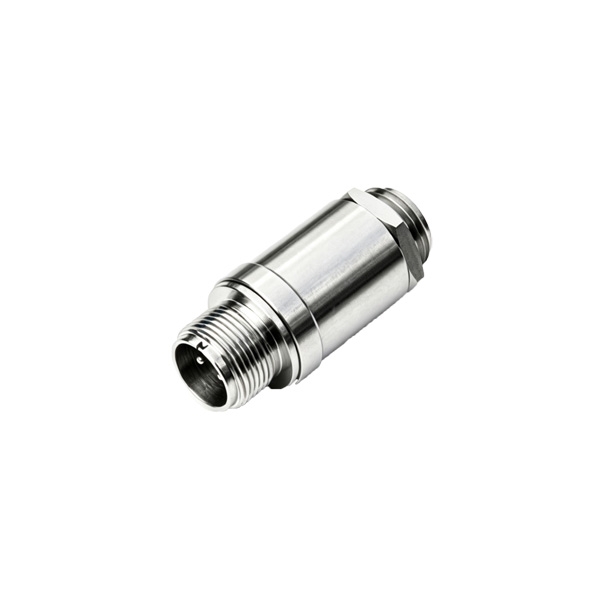
1. Magnetic Pickup Speed Sensor — For Gearboxes and Hydraulic Motors Without External Power
If the installation point has no external power supply and the application requires rotational speed detection on a gearbox or hydraulic motor, choose a magnetic pickup speed sensor.
Recommended Product Category: Magnetic Pickup Speed Sensor
Best for: Gearboxes, hydraulic motors, and other rotating shaft applications where a passive signal is sufficient and no power wiring is available.
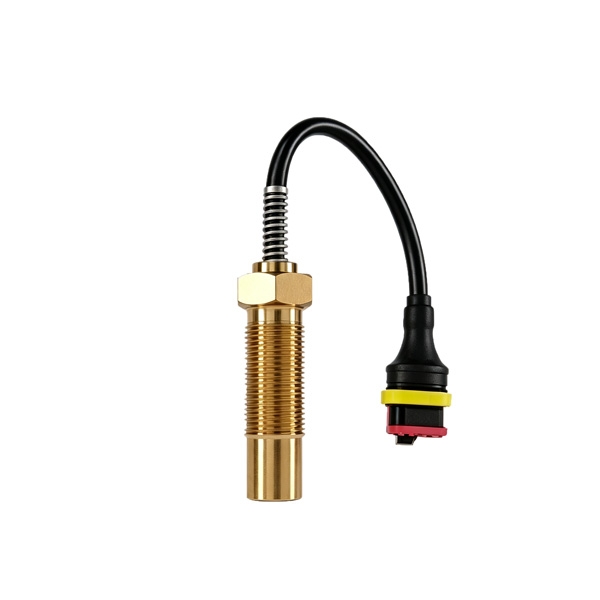
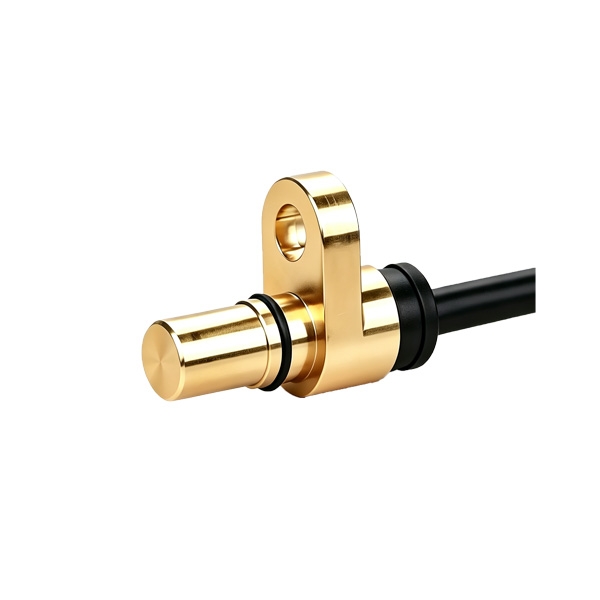
2. Hall Effect Speed Sensors — For Applications Requiring an Active Digital Signal
Hall effect speed sensors are active sensors that require external power and provide a digital pulse output, suited to applications where a passive signal is insufficient or a specific mounting/wiring configuration is required.
- Gear Tooth Type: For gear tooth speed detection requiring a stable active signal, including at lower rotational speeds.
- Vehicle Speed Type: For vehicle-mounted speed detection feeding a speedometer or onboard control system.
- Flange Mount Type: For installations where the mounting location requires a flange-type fitting.
- 3-Wire Type: For applications where the receiving instrument specifies a three-wire signal interface.
Recommended Product Category: Hall Effect Speed Sensor
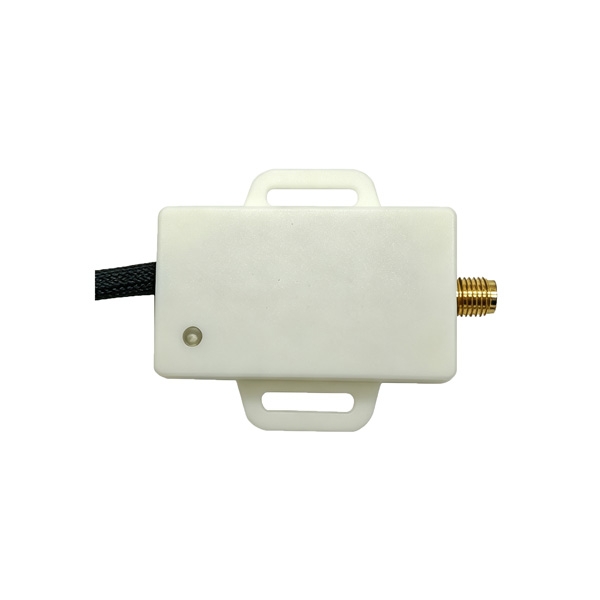
3. GPS Speed Sensor — For Speedometers, Tachographs, and Driving Recorders
If the application requires vehicle speed measurement without a mechanical connection to the drivetrain, choose a GPS speed sensor.
Recommended Product Category: GPS Speed Sensor
Best for: Speedometers, tachographs, and driving recorders on commercial vehicles requiring non-contact vehicle speed detection.
Speed Sensor FAQ
Q1: What is the difference between a magnetic pickup speed sensor and a Hall effect speed sensor?
A magnetic pickup speed sensor is passive and requires no external power, while a Hall effect speed sensor is active and requires a power supply to generate a digital pulse signal.
Q2: Does a magnetic pickup speed sensor require external power?
No, a magnetic pickup speed sensor generates its own signal from gear tooth movement and does not require an external power source.
Q3: When is a GPS speed sensor used instead of a gear-based sensor?
A GPS speed sensor is used when vehicle speed must be measured without a mechanical connection to the drivetrain, such as in speedometer, tachograph, or driving recorder applications.
Q4: What output signal does a speed sensor provide?
Depending on the sensing principle, a speed sensor provides either a passive analog voltage/frequency pulse output (magnetic pickup) or an active digital pulse output (Hall effect, GPS).


