
Torque Sensor

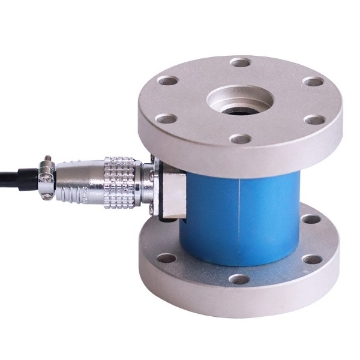
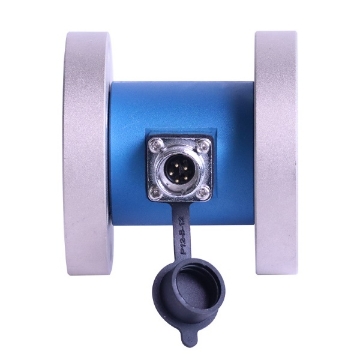

Dual Flange Reaction Torque Sensor, 20-100000 Nm


Micro Static Torque Sensor with Aviation Plug, 20/50/100/200 Nm


Flange to Square Drive Reaction Torque Sensor, 2-2000 Nm


Micro Reaction Torque Sensor, 0.5-150 Nm

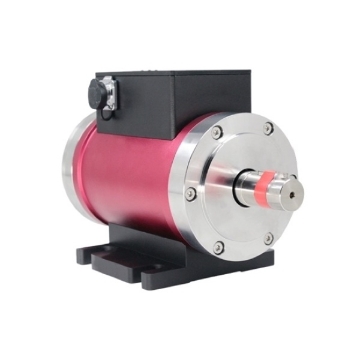

Contactless Rotary Torque Sensor, Shaft to Shaft, 10-300000 Nm


Miniature Dynamic Torque Sensor, 0.1-5 Nm


Digital Rotary Torque Sensor with LCD Display, 0.1-10000 Nm


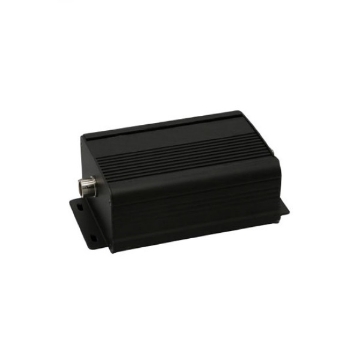
Rotary Torque Sensor for Engine, 20-5000 Nm
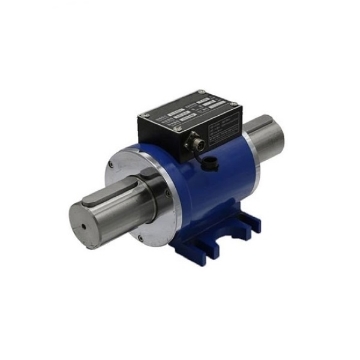


Non-Contact Rotary Torque Sensor, Shaft to Shaft, 50-50000 Nm


Micro Static Torque Sensor, Dual Flange, 5/10/20/50/100 Nm
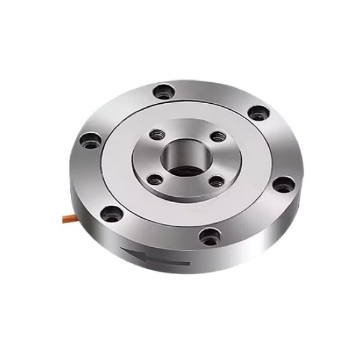


Hollow Reaction Torque Sensor, Disc Type, 10-200 Nm


Static Robot Joint Torque Sensor, Disc Type, 50-100 Nm


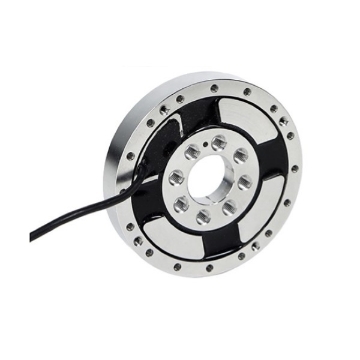
Force Torque Sensor, Ring Type, 20-200 Nm


Dual Flange Static Torque Transducer, 0.2-5 Nm


Non-Contact Dynamic Torque Transducer, 5-500 Nm


High Precision Torque Sensor Signal Amplifier, RS485/0-5V/0-10V/4-20mA

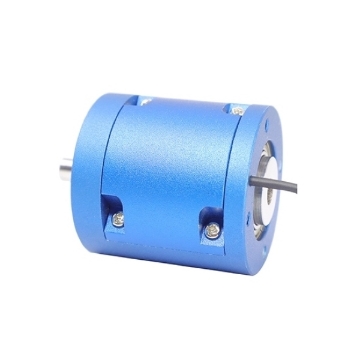


Small Rotary Motor Torque Sensor, 0.1-5 Nm

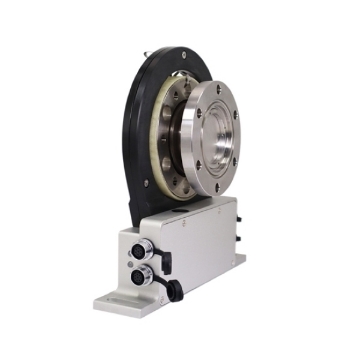

Dynamic Torque Sensor, 50-10000 Nm, 4-20mA/+-10V Output
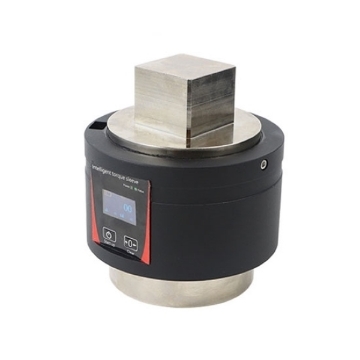

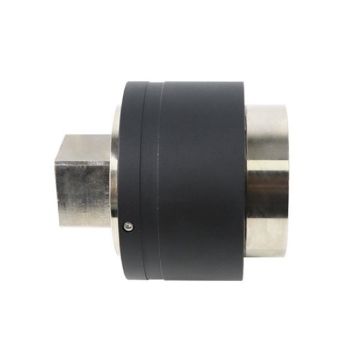


Wireless Digital Rotary Torque Sensor, 500-3000 Nm


Micro Strain Gauge Torque Sensor, 100-5000Nm
- 1
- 2
Torque sensors are used to detect torsional torque on various rotating or non-rotating mechanical components and are divided into two main categories: dynamic and static. Torque sensors convert the physical change in torque into a precise electrical signal. SUCH torque sensors offer advantages such as high accuracy, fast frequency response, high reliability, and long lifespan.
What are the types of torque sensors?
 Static torque sensors, sometimes called reactive sensors, are measuring instruments based on the principle of resistance strain gauges. Static torque transducers are mainly used to convert the mechanical strain generated by static or steady-state torsional torque into a linear electrical signal. Static torque measurement sensors are suitable for static torque testing in fields such as automotive, aerospace, and industrial automation. Their core components include an elastic body, strain gauges, and signal processing circuitry. A Wheatstone bridge structure converts deformation into an electrical signal output. Static torque sensors use a rigid element as the measuring elastic body, and the measuring elastic body does not participate in relative motion.
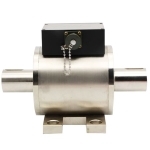 Dynamic torque sensors are precision instruments used to measure the torque, speed, and mechanical power of rotating power equipment. Their applications cover the detection of rotating power equipment such as electric motors, engines, and internal combustion engines, as well as the torque and power detection of fans, pumps, gearboxes, and torque wrenches. Dynamic torque transducers use strain gauge electrical measurement technology. A strain bridge is formed on the elastic shaft. Power is supplied to the strain bridge to measure the electrical signal of the elastic shaft under torsion. After amplification, this strain signal is converted into a frequency signal proportional to the torsional strain through a voltage-to-frequency converter. The dynamic torque sensor supports static/dynamic torque measurement and features no need for zeroing, strong anti-interference capability, and a small size.
What are the applications of torque sensors?
-
Torque sensors are commonly used to measure motor output torque, speed, and power, helping to evaluate motor efficiency, starting performance, load capacity, and operational stability. Torque sensors can be applied to test benches for AC motors, DC motors, servo motors, BLDC motors, and stepper motors.
-
In the automotive industry, torque sensors are used for testing engines, transmissions, drive shafts, motors, and drivetrain systems. In new energy vehicles, torque sensors can measure the output torque of drive motors to analyze acceleration performance, energy conversion efficiency, and powertrain response.
-
Robot joints require precise torque control. Therefore, torque sensors are used in robot joints, robotic arm end effectors, and automated assembly systems. Torque sensors can detect external torque acting on robots, providing real-time data for force control, collision detection, precision assembly, and gripping control.
-
Static torque sensors can be used for performance testing of power tools, pneumatic tools, and torque wrenches, measuring the actual torque during bolt tightening to help control tightening force. Static torque sensors are suitable for scenarios such as automotive assembly, machinery manufacturing, and electronic product assembly.
- Rotary torque sensors can be used to monitor the actual load on rotating equipment, detecting abnormal torque and mechanical resistance. Installing rotational torque sensors on automated assembly equipment, rotating machinery, winding equipment, transmission systems, and production line testing equipment helps to achieve closed-loop control and equipment status monitoring.
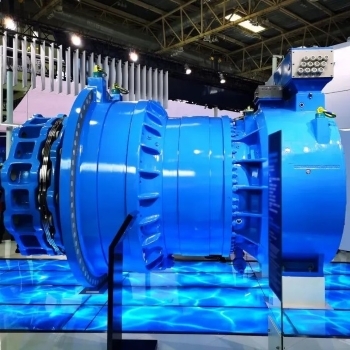
Gearbox
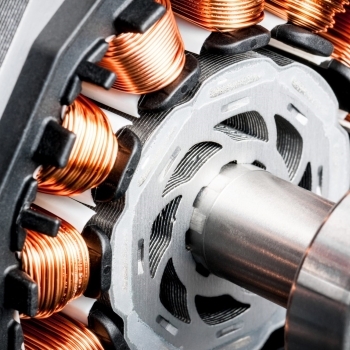
Electric Motor

Engine
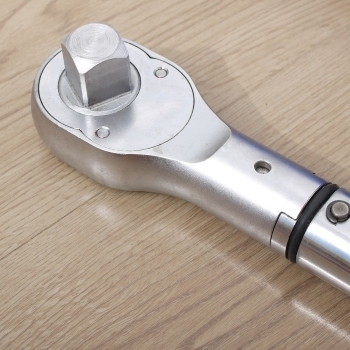
Torque Wrench
What are some methods for maintaining torque sensors?
Regular visual inspection is the foundation of torque sensor maintenance. The torque transducer should be visually inspected regularly to ensure its surface is clean and free of dirt. When cleaning, it is recommended to wipe the sensor surface with a soft cloth, avoiding the use of chemical cleaners or direct water rinsing to prevent damage to the internal circuitry. Furthermore, mechanical damage should be avoided, ensuring the torque sensor is not subjected to external impacts or collisions during installation and use.
Lubrication is a crucial part of torque sensor maintenance. The bearings of the torque sensor should be lubricated periodically to ensure smooth bearing operation and reduce wear. When lubricating, use a professional-grade grease applied to the bearings, ensuring only the bearing caps at both ends are open. After lubrication, reinstall the caps. Proper lubrication not only reduces wear on the torque sensor but also improves its efficiency and accuracy.
Calibration and adjustment are also indispensable steps in torque sensor maintenance. Regular calibration ensures the accuracy of its measurements. If a significant deviation in the sensor's measurement value is detected, it should be adjusted or replaced promptly to avoid adverse effects on production. Simultaneously, the choice of storage environment is also a key factor in torque sensor maintenance. When not in use, the torque sensor should be stored in a dry, non-corrosive environment with a room temperature of -20°C to 70°C to ensure its performance and lifespan.
What are the installation requirements for torque sensors?
- Besides basic maintenance and upkeep, proper installation and use are equally important.
- Torque measurement sensors can be installed horizontally or vertically.
- Power equipment, sensors, and load devices should be installed on a stable foundation to avoid excessive vibration, which may lead to unstable data, reduced measurement accuracy, or even damage to the sensor.
- Use flexible pin couplings or rigid couplings for connection.
- The concentricity of the shafts of the power equipment, sensor, and load device should be less than Φ0.05mm.
- The signal line output must not be short-circuited to ground or the power supply. The output current should be controlled within the specified range, and the shielding layer of the shielded cable must be connected to the common terminal of the power supply.
Factory direct sales of all types of torque sensors. SUCH online store has high-quality and high-efficiency static torque sensors and dynamic torque sensors to choose from, with optional measurement ranges from 0.2 to 50,000 Nm, which can be paired with high precision torque transducer signal amplifiers. SUCH torque transducers are competitively priced and have a wide range of applications.


