
Voltage Sensor


AC Voltage Transducer, 10–500V, AC/DC 85–265V Power Supply


AC Voltage Sensor, 10–1000V, DC 9–36V Power Supply


3-Phase AC Voltage Transducer, 5–500V, RS485/4-20mA/0-10V Output


3-Phase AC Voltage Sensor, 10–500V, 0-5V/4-20mA Analog Output


Isolated AC Voltage Sensor, 0–1000V Input, 0-5V/0-10V DC Output


Isolated DC Voltage Transducer, 10mV–1000V, 4-20mA Output


Single Phase DC Voltage Transducer, 0-1000V, 24V/220V Supply


Isolated DC Ripple Voltage Transducer, 10mV to 1000V


DC Voltage Transducer, 50mV–1000V, 0–5V/0–10V Output


DC Bidirectional Voltage Sensor, ±50mV to ±1000V


AC/DC Voltage Transducer, 75mV–500V, RMS 4-20mA/0-10V Output


Hall Effect Voltage Transducer, AC/DC 1500–2000V High Voltage


Hall Effect Voltage Sensor, AC/DC 100V~4000V Isolated


True RMS Isolated Voltage Transducer, AC/DC 500V Input, 0-10V Output


True RMS Isolated Voltage Sensor, AC/DC 500V Input, 4-20mA Output
What Is a Voltage Sensor?
A voltage sensor (also commonly referred to as a voltage transducer in industrial applications) converts measured AC, DC, or mixed voltage signals into a proportional standard output signal such as 0–5V, 0–10V, 4–20mA, or RS485, enabling PLCs, DAQ systems, and industrial controllers to monitor electrical parameters.
All SUCH voltage sensors are designed with electrical isolation between input, output, and auxiliary power supply. This isolation prevents ground loops, reduces the risk of damage to low-voltage control circuits caused by high-voltage faults, and supports stable signal transmission in industrial environments. Depending on the model, isolation is implemented using electromagnetic or modulation-demodulation techniques, allowing reliable operation in industrial automation, energy systems, and power monitoring applications.
Key selection parameters include input type (AC, DC, or AC/DC), voltage range, accuracy class, and output signal format, which are described in the following sections.
How to Select the Right Voltage Sensor?
Step 1 — Identify Signal Type
- AC Voltage Sensor: for mains power, transformers, and motor terminals
- DC Voltage Sensor: for batteries, PV systems, and DC bus monitoring
- AC/DC Voltage Sensor: for mixed or universal measurement environments
- True RMS Voltage Sensor: required for VFDs, UPS systems, or distorted waveforms
Step 2 — Single-Phase or Three-Phase
- Single-phase models: standard industrial and equipment-level monitoring
- 3-phase voltage sensor: required for complete three-phase system monitoring in one unit
SUCH 3-phase models integrate all phases into a single enclosure to ensure measurement consistency and simplified installation.
Step 3 — Define Maximum Input Voltage
- Up to 500 V AC → standard AC Voltage Sensor
- Up to 1000 V AC → isolated or extended-range AC models
- Up to 1000 V DC → DC Voltage Sensor or Isolated DC Voltage Sensor
- Above 1000 V (up to 4000 V) → Hall Effect Voltage Sensor (mandatory for safety)
- ±DC systems → DC Bidirectional Voltage Sensor for regenerative applications
Step 4 — Choose Output Signal
- 0–5V / 0–10V: short distance, low-noise environments
- 4–20mA: long distance or industrial noise environments, wire-break detection
- RS485 / Modbus: multi-device networking and SCADA systems
- Bipolar output: battery charge/discharge and regenerative systems
Accuracy selection
Accuracy defines the measurement error relative to full-scale output.
- Class 0.2 → precision metering and energy measurement
- Class 0.5 → standard industrial monitoring and protection
Voltage Sensor FAQ
Q1: Can a voltage sensor be used directly with a PLC?
Yes. Most industrial voltage sensors output standard signals such as 0–10V, 4–20mA, or RS485, which can be directly connected to PLC analog or communication inputs without additional signal conversion.
Q2: What happens if I select the wrong voltage range?
If the input voltage exceeds the sensor’s rated range, it may cause measurement saturation, output distortion, or potential damage to the sensing circuit. It is recommended to select a range slightly higher than the maximum expected operating voltage.
Q3: Do voltage sensors require external power supply?
Yes, most voltage sensors require an auxiliary power supply such as DC 24V or AC 85–265V depending on the model. This power supply is isolated from the measurement circuit to ensure safe operation and stable signal output.
Q4: How often should a voltage sensor be calibrated?
Calibration frequency depends on the application environment. For industrial monitoring, it is typically recommended every 12–24 months, while high-precision or energy metering applications may require more frequent calibration to maintain accuracy.
Products Recommended by Application
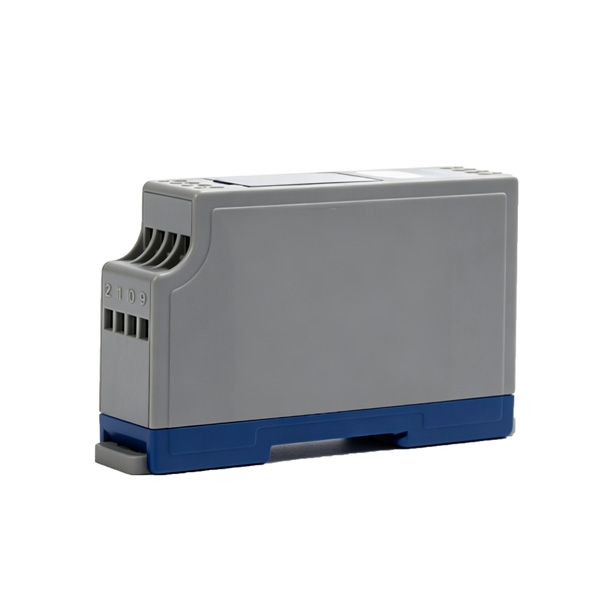 |
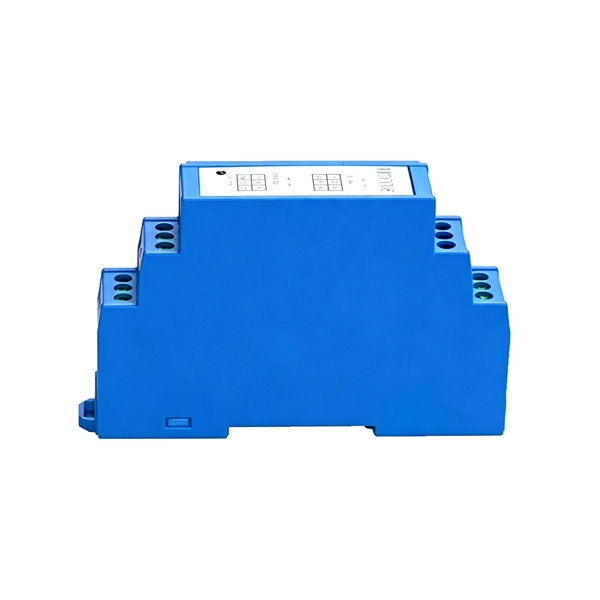 |
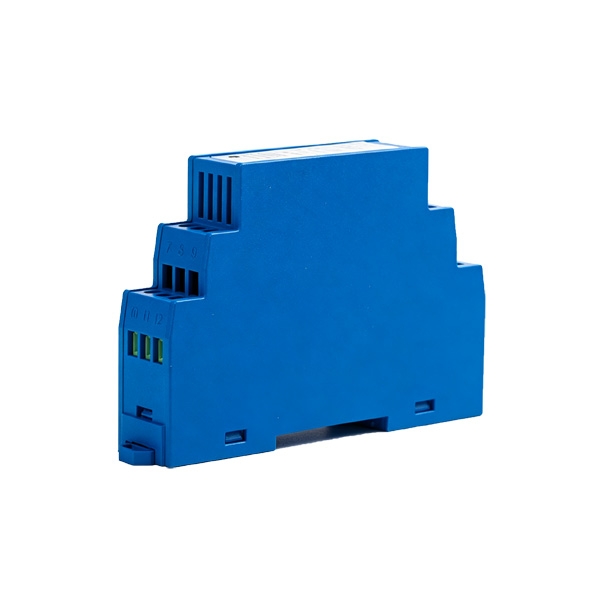 |
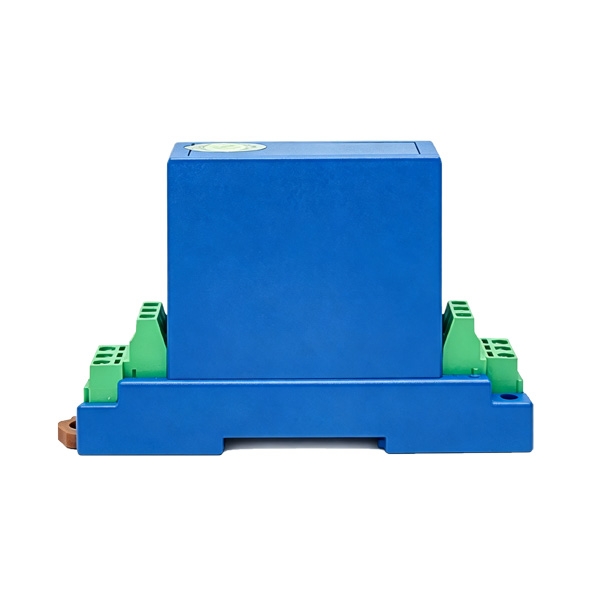 |
|
AC Voltage Sensor |
3-Phase AC Voltage Sensor |
Isolated DC Voltage Sensor |
True RMS Voltage Sensor |
|
Suitable for: AC power monitoring systems |
Suitable for: Three-phase industrial systems |
Suitable for: DC power systems (PV, battery, DC bus) |
Suitable for: VFD, UPS, and distorted waveforms |
|
AC input: 10–1000 V Output: 0–10V / 4–20mA DIN rail or panel mount |
3-phase measurement RS485 / 4–20mA output Integrated system monitoring |
DC input: 10 mV–1000 V High isolation design 0–10V / 4–20mA output |
AC/DC input supported True RMS measurement Accurate under harmonics |
Voltage Sensor Comparison Table
|
Type |
|||
|
Signal Type |
AC |
3-Phase AC |
DC |
|
Measurement Range |
10–1000 V |
5–500 V/phase |
10 mV–1000 V |
|
Output |
0–10V / 4–20mA |
RS485 / 4–20mA |
0–10V / 4–20mA |
|
Key Feature |
Standard AC measurement |
Integrated 3-phase monitoring |
High isolation & accuracy |
|
Typical Applications |
Power distribution, industrial equipment |
Motor systems, factories, energy systems |
PV systems, battery, DC bus |
|
View Product |


