
Limit Switch


High Temperature Roller Lever Limit Switch, 1NO+1NC


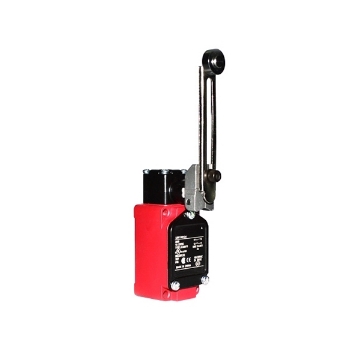
High Temperature Adjustable Roller Lever Limit Switch, IP66


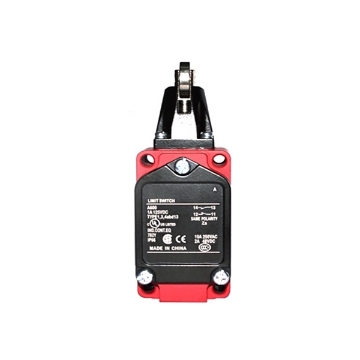


High Temperature Roller Plunger Limit Switch, 5A/220VAC


High Temperature Plunger Type Limit Switch, 1NO+1NC


High Temperature Coil Spring Limit Switch, 1NO 1NC, 5A


High Temperature Adjustable Rod Lever Limit Switch


High Temperature Fork Lever Limit Switch, -10~+350℃


Roller Lever Type Limit Switch for Crane, 380V AC/220V DC


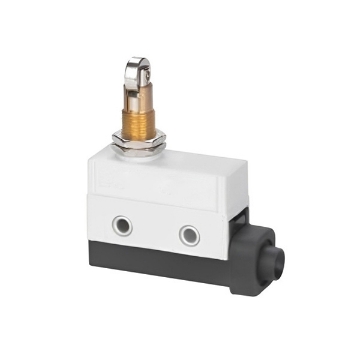

Mechanical Sealed Limit Switch with Roller Lever/Plunger

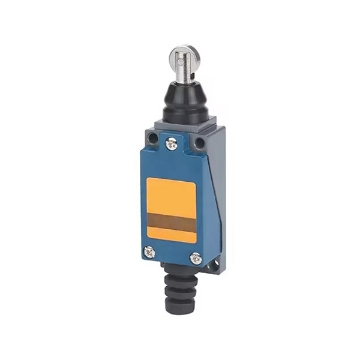


Miniature Limit Switch with Coil Spring/Roller Lever/Plunger

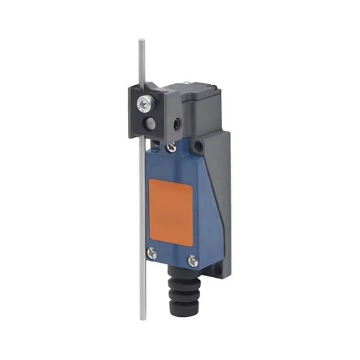
Precision Limit Switch with Adjustable Rod Lever/Push Button


Safety Door Limit Switch, 24VDC, 1NO+1NC, IP67


Rotary Cross Limit Switch for Crane, 380V, 180°/360°


Industrial Limit Switch Box, 250VAC/DC, 2-SPDT, IP67


Mini Limit Switch with Adjustable Rod Lever/Roller Lever


Explosion Proof Limit Switch with Roller Lever/Plunger


Rotary Height Limit Switch for Lifting, 380V, 4 NO 4 NC


Waterproof Limit Switch, 5A/250VAC, 3A/125VAC, IP67


Heavy Duty Limit Switch with Roller Plunger, NO+NC
A limit switch is an electromechanical device used to detect the presence, position, or movement limit of an object. It operates by making or breaking an electrical connection when a moving part comes into contact with it. Limit switches are widely used in industrial automation systems to ensure safe and controlled operation of machinery.
Working Principle
A limit switch consists of three main components: an actuator (or operating head), internal electrical contacts, and a protective housing. When an object moves and touches the actuator, it causes the internal contacts to change state.
Typically, the switch includes:
- Normally Open (NO) contacts that close when activated.
- Normally Closed (NC) contacts that open when activated.
This simple mechanism allows the switch to send signals to control systems, triggering actions such as stopping motion, reversing direction, or initiating alarms.
Applications
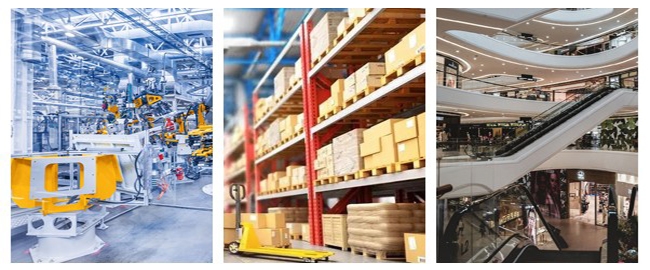
Limit switches are used in a wide range of industries and equipment. In manufacturing, they help control the movement of robotic arms and conveyor systems. In elevators, they prevent overtravel and ensure passenger safety. They are also commonly used in CNC machines, packaging systems, and warehouse automation to detect positions and control sequences.
Limit switches play a crucial role in industrial control and safety systems. Despite their simple design, they provide essential feedback for position detection and motion control. As automation continues to advance, limit switches remain a fundamental component in ensuring efficient and safe operations.


