
Presence Sensor


mmWave Human Presence Sensor with RS-485, LoRa, LoRaWAN Communication


mmWave Radar Presence Sensor for Vital Sign Detection, RS485


Smart Home Presence Sensor, 5.8GHz Microwave, 12-24V DC


Microwave Doppler Presence Sensor for Ceiling Light Control, 5.8GHz


USB Microwave Presence Sensor Switch for LED Light Control, 5A


Embedded Infrared Presence Sensor, 100-260V AC


WiFi mmWave Human Presence Sensor, Static Detection


Zigbee Human Presence Sensor, 24GHz mmWave Radar


Zigbee Presence Sensor with mmWave Radar & PIR, Battery Powered
A presence sensor detects whether a space is occupied — including when the person inside is completely still. Unlike a standard motion sensor, which only reacts to movement, a presence sensor can recognize someone sitting at a desk, resting in bed, or standing quietly in a meeting, and keep the connected system responding accordingly.
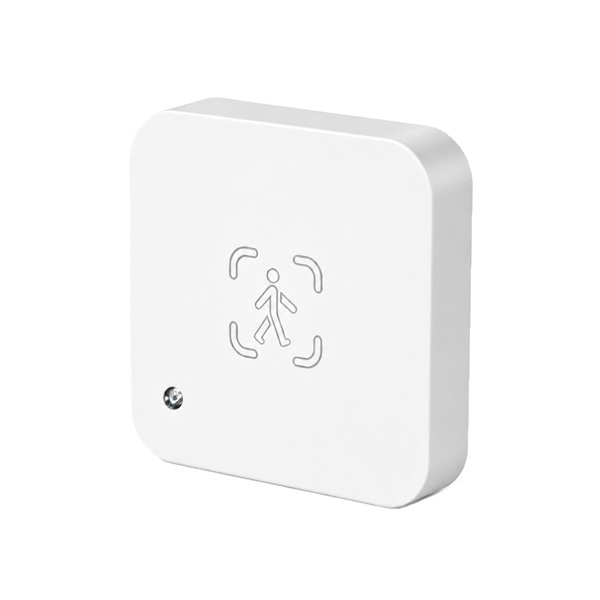
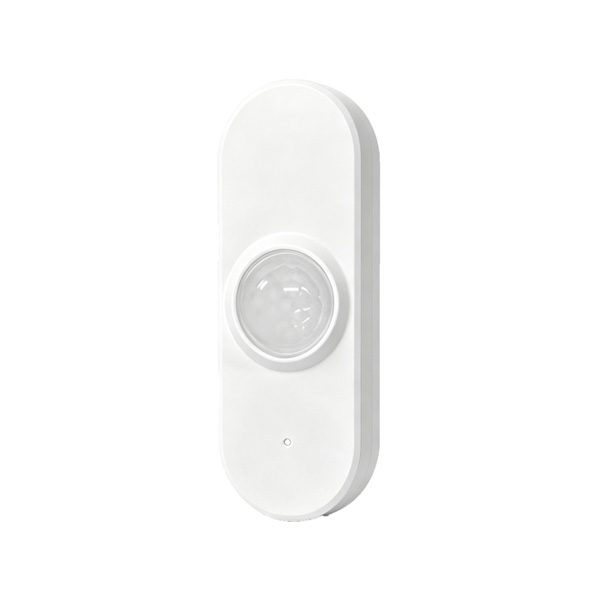
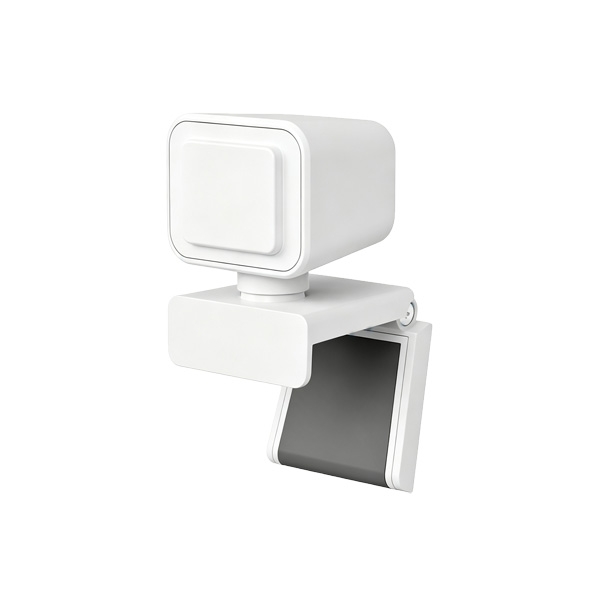
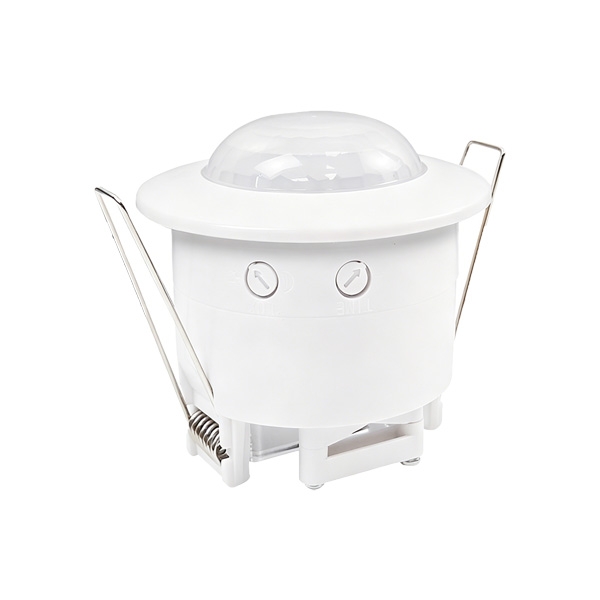
SUCH offers 9 presence sensor models across three detection technologies — mmWave radar, microwave Doppler, and passive infrared (PIR) — designed for smart homes, offices, and building automation. Models are available with different communication options, including RS-485/Modbus, LoRa/LoRaWAN, Zigbee 3.0, WiFi, USB, and direct relay/AC switching, so the range fits both industrial system integration and plug-and-play home installations.
In short: mmWave radar sensors are the preferred choice when a space needs to detect stationary people. Microwave and infrared sensors are better suited for motion-based automation where lower cost matters more than static-presence accuracy.
Presence Sensor Comparison Table
|
Model |
Detection Technology |
Best For |
Starting Price |
|
60GHz mmWave Radar |
BMS, PLC, building automation |
$124.31 |
|
|
mmWave Radar |
Vital sign & fall detection |
$121.85 |
|
|
24GHz mmWave Radar |
Smart home automation |
$81.23 |
|
|
mmWave + PIR |
Smart home & security |
$72.77 |
|
|
5.8GHz mmWave Radar |
WiFi smart home control |
$70.46 |
|
|
5.8GHz Radar |
Desk & small-area detection |
$67.46 |
|
|
5.8GHz Microwave |
Lighting automation |
$66.71 |
|
|
5.8GHz Microwave |
Indoor lighting control |
$56.47 |
|
|
PIR |
Cost-effective motion detection |
$45.88 |
Pro Tip: "Static Presence Detection" indicates whether the sensor can confirm occupancy through micro-motion, breathing, or vital-sign signals when a person is not moving — the key distinction from a conventional motion sensor. Prices shown are the base/starting price; some models have paid options for signal output or sensor type.
How to Choose a Presence Sensor
|
Requirement |
Recommended Sensor Type |
|
Detect people who stay still (offices, bedrooms, bathrooms) |
mmWave sensor |
|
Smart home / app-based automation |
Zigbee or WiFi sensor |
|
Integration with PLC / BMS |
RS-485 (Modbus RTU) sensor |
|
Large site or remote/outdoor deployment |
LoRa / LoRaWAN sensor |
|
No wiring, no hub, fastest setup |
USB or battery-powered sensor |
|
Low-cost lighting control (motion only) |
PIR or standard microwave sensor |
1. Does the space need stationary-person detection, or is motion-only enough?
If people in the space are often still — bedrooms, offices, bathrooms, meeting rooms, elder care — choose an mmWave model, which detects presence through breathing-level micro-motion. If the space is mostly transitional (corridors, stairwells, warehouses), a microwave Doppler or PIR sensor detecting movement is usually sufficient and lower cost.
2. What does it need to connect to?
- Integrating into an existing PLC, BMS, or SCADA system → RS-485/Modbus.
- Covering a large site or outdoor/remote installation → LoRa/LoRaWAN.
- Adding to a Zigbee-based smart home or Tuya ecosystem → Zigbee 3.0 (gateway required).
- Simple standalone WiFi connection without extra hardware → WiFi.
- No network integration needed, just switching a light directly → relay/direct AC output or USB.
3. What's the installation environment?
Check operating temperature and humidity range against the install location — several models are rated for standard indoor use (-10°C to 55–60°C), while the Smart Home Presence Sensor extends to -35°C–80°C for less climate-controlled spaces like garages or unheated corridors.
4. What's the power source on site?
- Existing low-voltage DC wiring → RS-485/mmWave models (DC12V) or Zigbee models (Type-C).
- AC mains already run to a light fixture → Infrared or Microwave Doppler (Ceiling) models with direct AC switching.
- No wiring available at all → Zigbee + PIR model on battery, or the USB Microwave sensor.
5. What's the budget?
PIR ($45.88) and standard microwave Doppler sensors ($56–67) are the lowest-cost entry points for basic motion-based lighting control. mmWave sensors with stationary detection and industrial protocol support ($70–125) cost more but reduce false "vacant" triggers and support integration into automation systems.
Presence Sensor FAQs
Q1: What's the difference between a presence sensor and a motion sensor?
A motion sensor only reacts to movement — once a person stops moving, it eventually reports the space as unoccupied. A presence sensor, particularly one using mmWave radar, can also confirm a stationary person through breathing-level micro-motion, so it keeps reporting "occupied" even when nobody is moving.
Q2: Can a microwave presence sensor detect someone who isn't moving?
Most standard 5.8GHz microwave sensors are tuned for movement detection only. The USB Microwave Presence Sensor is an exception — its radar is specifically tuned to also pick up breathing-level micro-motion, so it can detect a stationary occupant at close range.
Q3: Do Zigbee presence sensors need a hub or gateway?
Yes. Both Zigbee models in this range require a Zigbee 3.0 gateway or compatible smart home hub to connect and be controlled through an app such as TuyaSmart or Smart Life.
Q4: Which presence sensor is best for PLC or BMS integration?
Models with RS-485 (Modbus RTU) output — the mmWave Human Presence Sensor and the mmWave Radar Presence Sensor for Vital Sign Detection — are built for direct wiring into PLCs, BMS, and centralized monitoring platforms.
Q5: Can a presence sensor detect falls?
The mmWave Radar Presence Sensor for Vital Sign Detection includes fall detection within a 2m × 2m zone, triggering a real-time alert alongside standard presence and vital-sign monitoring — making it suited to bathrooms and elder-care settings specifically.


