
Dew Point Sensor


Industrial Dew Point Sensor for Dehumidification Dryer, -60~60°C


Dew Point Transmitter for Compressed Air, -60~90°C


High Temperature Dew Point Sensor, -20~100°C Dewpoint, 80~180°C Temp


Thermocouple Dew Point Sensor, -45~120°C, IP55


Portable Dew Point Sensor for Laboratory, -30~60°C


Handheld Dew Point Sensor, -30~80°C, IP66
A dew point sensor is an instrument used to measure the temperature at which moisture in a gas begins to condense. It is widely used for monitoring compressed air systems, industrial dryers, HVAC equipment, and gas processing applications. Dew point sensors detect moisture levels by measuring dew point temperature and provide accurate data for preventing condensation, corrosion, and equipment failures.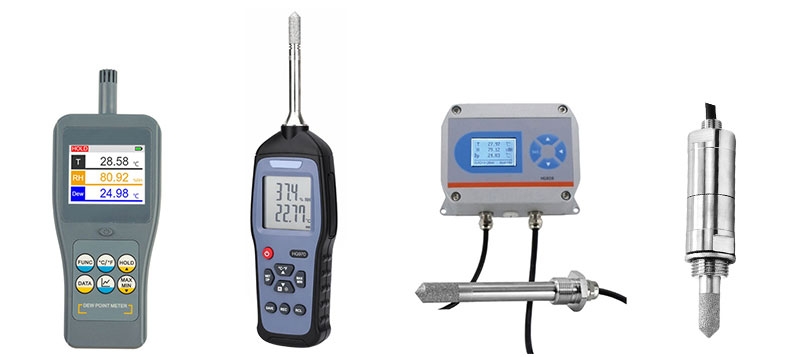
How Does a Dew Point Sensor Work?
A dew point sensor works by detecting changes in water vapor concentration within a gas and converting the moisture level into a dew point temperature value. Most industrial dew point sensors use a moisture-sensitive sensing element to measure water vapor. The sensor detects humidity changes, processes the signal through internal electronics, and outputs the measured dew point value through analog or digital communication interfaces.
The basic measurement process includes:
- Detecting moisture concentration in the gas
- Calculating the dew point temperature
- Converting the measurement into an electrical signal
- Transmitting data to a monitoring or control system
Common output signals include 4-20mA, 0-10V, RS485 Modbus, and digital communication signals.
How to Choose a Dew Point Sensor?
Selecting the right dew point sensor depends on the measurement range, accuracy, installation method, and application requirements. Consider the following factors.
|
Selection Factor |
What to Consider |
|
Dew Point Range
|
Choose a sensor with a measurement range suitable for your moisture monitoring requirements, such as compressed air, dryers, or high-temperature processes |
|
Accuracy Requirement
|
Select the appropriate accuracy level based on whether the application requires general monitoring, process control, or precision measurement |
|
Installation Method
|
Inline sensors are suitable for continuous monitoring, while portable and handheld models are ideal for field inspection |
|
Output Signal
|
Select compatible outputs such as 4-20mA, 0-10V, or RS485 for connection with PLC, SCADA, or monitoring systems |
|
Operating Environment
|
Consider temperature, pressure, condensation, and protection requirements to ensure reliable operation |
Dew Point Sensor Types Comparison
Dew point sensors are available in different types to meet various moisture measurement requirements. The comparison table below highlights the key differences between industrial, online, high-temperature, and portable dew point sensors to help you select the most suitable solution.
|
Dew Point Sensor Type |
Measurement Range & Accuracy |
Key Features |
Applications |
|
|
Dew point: -60~60°C; Accuracy: ±2°C Td |
16 bar pressure resistance, anti-condensation heating, RS485 and analog outputs |
Dehumidification dryers, compressed air systems |
|
|
Dew point: -60~90°C; Accuracy: ±2°C Td |
Multi-parameter display, 4-20mA/RS485 outputs, PLC and SCADA integration |
Online moisture monitoring systems |
|
High Temperature Dew Point Sensor
|
Dew point: -20~100°C; Accuracy: ±3°C Td |
80~180°C high-temperature operation, anti-condensation design, stable measurement |
Thermal processing, high temperature drying |
|
|
Dew point: -45~120°C; Temperature accuracy: ±0.1°C |
7-parameter measurement, K-type thermocouple probe, 0.01°C resolution |
Laboratory testing, HVAC, field measurement |
|
|
Dew point: -30~60°C; Accuracy: ±1.5°C |
Color LCD display, real-time measurement curves, 99 data storage groups |
Laboratory analysis, mobile inspection |
|
|
Dew point: -30~80°C; Temperature accuracy: ±0.1°C |
IP66 protection, replaceable probe, 32,000 data records |
Industrial maintenance, HVAC inspection |
Dew Point Sensor Applications
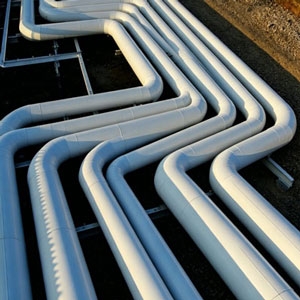
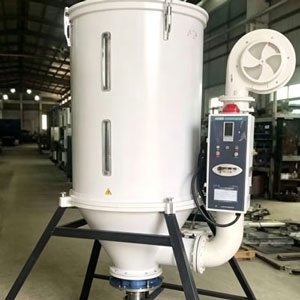
Dew point sensors are widely used for moisture monitoring in compressed air systems, industrial gas applications, air dryers, HVAC systems, laboratories, and moisture-sensitive manufacturing processes. By providing accurate dew point measurements, they help prevent condensation, improve drying efficiency, protect equipment, and maintain stable process conditions.
HVAC Engineering

Laboratory

Semiconductor Manufacturing
Compressed Air


