
Microwave Sensor


Microwave Radar Sensor, 5.8GHz, 2-8m


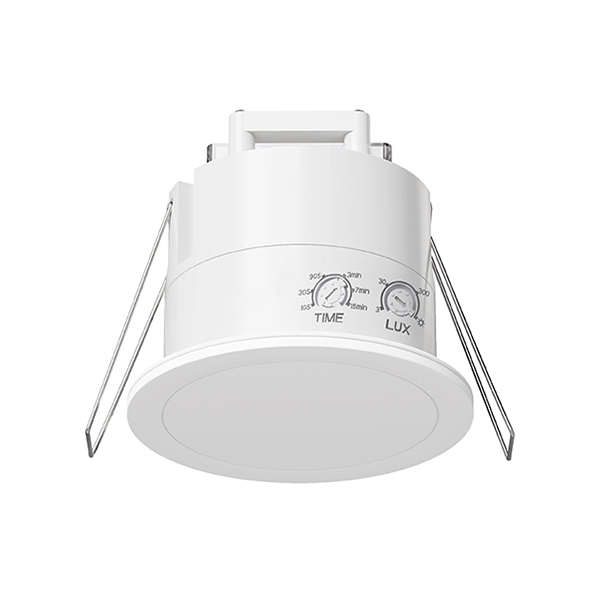
Recessed Microwave Presence Sensor, 5m, AC 100-240V


Microwave Sensor for Human Detection, 4-16m, 10A/30A


Doppler Microwave Occupancy Sensor, 24GHz, 10A/30A


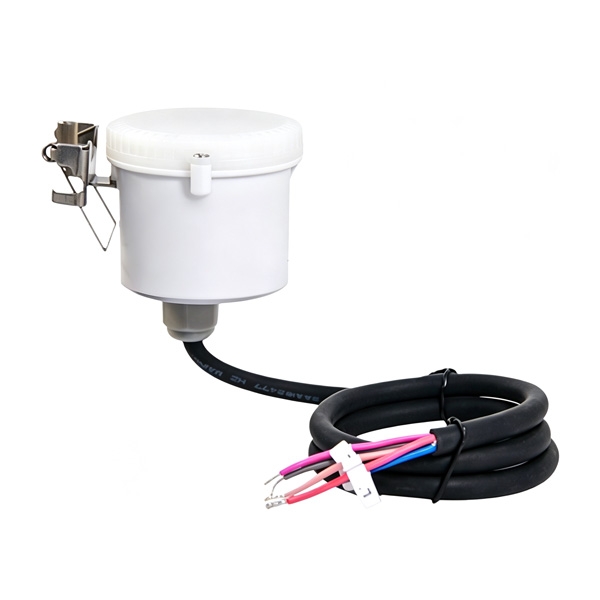
Adjustable Long Range Microwave Sensor, IP65


Microwave Radar Door Sensor, 24GHz, 12-30V AC/DC


Ceiling Mount Microwave Movement Sensor, 5.8GHz, 12-24V DC


Microwave Radar Sensor for Lighting, 0-16m, 10A/16A


Microwave PIR Sensor for Automatic Doors, 12-24V AC/DC


Microwave Radar Motion Sensor, NPN/Logic-Level Output


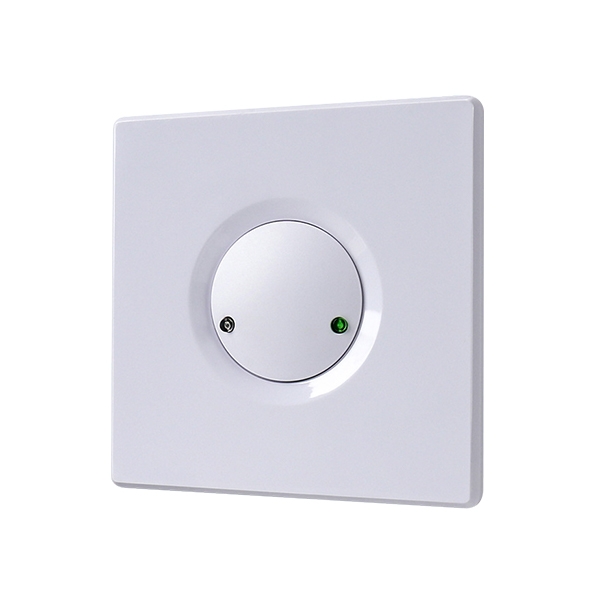
Wall Panel Microwave Radar Sensor Switch, 220V AC, 10A/16A
A microwave sensor is a non-contact sensor that uses radar (RF) signals to detect movement or presence. Microwave sensors are used in lighting control, automatic doors, security systems, and smart building automation. This guide explains how microwave sensors work, the types available, how to choose the right one, and where they are used.
What Is a Microwave Sensor?
How Does a Microwave Sensor Work?
A microwave sensor works by transmitting microwave signals and analyzing the reflected signal to detect movement or presence. When a person or object moves within the detection area, the reflected signal changes, and the sensor triggers an output — for example, switching on a light or unlocking a door.
- Emits a continuous low-power microwave signal (commonly in the 5.8 GHz or 10.525 GHz band)
- Analyzes the reflected signal for changes caused by movement
- Triggers a relay or voltage output when motion is detected
- Microwave signals can pass through some non-metallic materials, such as plastic, glass, and certain building materials, depending on thickness and frequency — this makes microwave sensors suitable for concealed or enclosed installations
What Is a Microwave Radar Sensor?
A microwave radar sensor uses RF signals to detect movement or presence instead of detecting infrared heat. Unlike PIR sensors, it does not require a direct line of sight and can work through some non-metallic materials, depending on the installation.
In product terminology, "microwave sensor" is the broader category, while "microwave radar sensor" specifically emphasizes the radar-based detection method — the two terms generally describe the same underlying technology.
How Does a Doppler Microwave Sensor Work?
A Doppler microwave sensor detects motion by measuring the frequency shift of reflected microwave signals as an object moves. Its detection sensitivity depends on the sensor's antenna pattern, mounting position, and the direction of movement relative to the sensor.
Because basic Doppler detection relies on motion to register a signal change, it is generally not designed to reliably detect a completely stationary person.
What Types of Microwave Sensors Are There?
Microwave Motion Sensors vs. Presence Sensors
Microwave motion sensors are designed to detect movement, while microwave presence sensors are designed to detect whether a person remains in an occupied space, including situations where movement is limited.
|
Sensor Type |
Best For |
Typical Applications |
|
Microwave Motion Sensor |
Detecting movement |
Lighting, automatic doors, security alarms |
|
Microwave Presence Sensor |
Detecting occupancy, including subtle or limited movement |
Offices, restrooms, meeting rooms, smart buildings |
Standard vs. Long-Range Microwave Sensors
Detection range varies by model, antenna design, and sensitivity settings — there is no fixed industry definition of "standard" or "long range." As a general guide:
|
Sensor Type |
Typical Use |
|
Short/Standard Range |
Rooms, corridors, offices, small indoor areas |
|
Long Range |
Warehouses, parking areas, large open spaces, perimeter areas |
Always check the manufacturer's specified detection range for the individual model rather than assuming a fixed range for a given category.
Microwave Sensors by Installation Type
Microwave sensors are manufactured in different housing formats to fit different mounting surfaces and structures:
- Recessed (flush-mount): Fits inside a ceiling or wall cutout, leaving only a small visible face
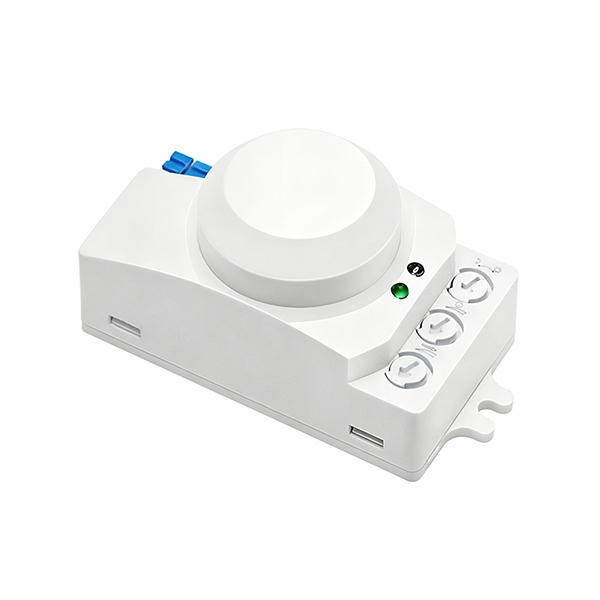
- Surface-mounted: Housed in an external casing that mounts directly onto a ceiling, wall, or junction box
- Wall-switch type: Built into a standard switch faceplate, replacing a manual light switch
- PCB/module type: A circuit-board sensor designed to be integrated inside another device, such as a light fixture or appliance
How to Choose the Right Microwave Sensor?
Use these five steps to choose a microwave sensor based on detection method, detection type, range, installation, and output.
Step 1: Confirm Microwave Detection Is the Right Method
If your installation requires detection through some non-metallic materials, such as glass or plastic covers, or does not provide a clear line of sight, a microwave radar sensor may be a better fit.
If false triggers from adjacent spaces are a concern, a microwave PIR sensor that combines microwave and PIR detection can help reduce unwanted detection compared with microwave-only sensing.
Step 2: Decide Between a Motion Sensor and a Presence Sensor
If the application primarily requires movement detection, such as corridors, doorways, or security zones, a microwave motion sensor is usually sufficient.
If occupants may sit or stand still for periods of time, such as in offices, restrooms, or meeting rooms, choose a recessed microwave presence sensor or another sensor designed for presence detection.
Step 3: Set the Required Detection Range and Beam Angle
Choose the detection range and beam angle based on the size and shape of the detection area. Small rooms and corridors generally suit standard-range sensors, while warehouses, parking areas, and large open spaces may require a long-range microwave sensor. An undersized detection range can cause missed detection, while an excessively large detection area can increase unwanted detection from adjacent spaces.
Step 4: Choose an Installation Format That Fits the Site
For a discreet ceiling finish with sufficient plenum depth, choose a recessed model. For a retrofit without ceiling access, choose a surface-mounted model. For an integrated wall-switch solution, choose a microwave radar sensor switch. For integration into your own fixture or product, choose a PCB/module type.
Step 5: Confirm Output and Power Requirements
Choose the output type based on how the sensor will connect to the control system:
-
Relay output: For directly switching compatible lights or electrical loads.
-
Low-voltage output: For connecting to controllers, automation systems, or alarm panels.
-
0–10 V/dimming output: For compatible dimmable lighting systems.
Also confirm that the sensor's supply voltage matches the available power source before installation.
Where Are Microwave Sensors Used?
Microwave sensors are commonly used for lighting control, automatic doors, human detection, and smart building automation. The right sensor depends on the detection target, coverage area, installation method, and required output.
Microwave Sensors for Lighting Control
Microwave sensors can automatically switch or dim lights when movement or occupancy is detected. Common applications include:
-
Corridors and stairwells
-
Parking garages
-
Warehouses
-
Offices and commercial buildings
Some models can be installed inside or behind non-metallic light fixture housings for concealed detection. Check the sensor's installation requirements and fixture material before installation.
Microwave Sensors for Automatic Doors & Human Detection
Microwave door sensors detect approaching people or vehicles and send a signal to an automatic door controller. They are commonly used for:
-
Automatic doors
-
Building entrances
-
Access control
-
Human detection systems
-
Occupancy counting and safety systems
Microwave detection can work through some non-metallic materials, such as glass or plastic covers, depending on the sensor design and installation.
Microwave Sensors for Smart Homes & Building Automation
Depending on the model and output type, microwave sensors can provide motion or occupancy information to:
-
Lighting control systems
-
HVAC systems
-
Security systems
-
Building automation systems
This allows lighting, temperature, and other building functions to respond automatically to detected occupancy or movement.
Microwave Sensor FAQ
Q1: What Is the Difference Between a Microwave Sensor and a Microwave Radar Sensor?
A microwave radar sensor is a type of microwave sensor that uses radar/RF signals to detect movement or presence. "Microwave sensor" is the broader term; "microwave radar sensor" specifically emphasizes the radar-based detection method. In practice, the two terms are generally used interchangeably.
Q2: Is a Microwave Sensor Safe? (Radiation Concerns)
Microwave motion sensors use low-power RF signals for detection and are designed to operate within applicable regulatory limits. The actual transmitted power varies by model, so check the manufacturer's specifications and applicable certifications for a specific sensor.
Q3: How Far Can a Microwave Sensor Detect?
Detection range varies by model, antenna design, frequency, mounting height, and sensitivity settings. Some indoor models cover several meters, while long-range models can cover 15 m (49 ft) or more. Always check the specified detection range for the individual model rather than assuming a standard figure.
Q4: Can a Microwave Sensor Detect a Person Who Is Standing Still?
Basic Doppler microwave sensors generally cannot reliably detect a completely stationary person, because they rely on motion-related changes in the reflected signal. For applications where people may remain still — such as offices or restrooms — use a dedicated presence sensor or a microwave sensor with advanced presence detection.


