
1
review(s)
Write your own review
Close
hall effect speed sensor flange mount was a nice fit
got this hall effect speed sensor flange mount for a machine repair job. the flange mounting style saved some time during installation since I did not need to redesign the bracket. after connecting the wiring, I tested the signal with the machine running at different speeds. there was a little adjustment needed at first, but it has been stable since.
Related products


Explosion Proof Wind Speed Sensor, 0~30m/s
● Output signal 4-20mA/0-10V/RS485
● Range 0~10m/s, 0~20m/s, 0~30m/s, 0~40m/s
● Accuracy ±3.0%FS (speed >3m/s)
● Protection grade IP65
$499.52
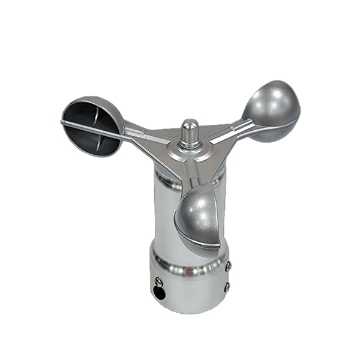


Heated Mechanical Cup Anemometer, Wind Speed Sensor, 0~100m/s
● Measurement range 0~70 m/s or 0~100 m/s
● Output signal 4-20mA, 0-5V, RS485 (Modbus)
● Accuracy ±(0.5+0.02V) m/s
● Resolution 0.1 m/s, IP65 protection
$1,485.69


Magnetic Pickup Speed Sensor for Gear/Hydraulic Pump
● Thread length 76 mm
● Body diameter 16.25 mm
● Mounting thread 5/8"-18 UNF
● Probe structure slim cylindrical design
$127.27


Hall Effect Vehicle Speed Sensor, IP67, Square Wave Output
● 20KHz square wave output
● 5-30V DC operating voltage
● IP67 H62 copper housing, -40°C to +70°C
● 0.5-2.5mm sensing gap, multiple connectors
$101.38


3-Wire Hall Effect Speed Sensor with Square Wave Output
● Output signal square wave
● Operating voltage 8–32V DC
● Frequency range 0–20,000Hz
● Sensing distance ≤2mm
$127.54


M16/M18 Magnetic Pickup Speed Sensor for Engine RPM
● 20 Hz–10 kHz wide frequency range
● 0.5–1.2 mm sensing distance
● ≥3.5 V output at 500 rpm
● -25°C to +85°C operating temperature
$93.69
Payment options


