
Water Quality


Water Quality Sodium Ion Sensor, 0~2300 ppm


Water Quality EC Sensor, 0~20/0~200/0~5000 μS/cm


Water Quality Suspended Solids Sensor, 0.5~2000mg/L


Water Quality Hardness Sensor, 0~1000 mg/L


Water Quality Dissolved Ozone Sensor, 0~20 mg/L


Water Quality Chroma Sensor, 0~500 NTU, 0~500 Hazen


Water Quality Residual Chlorine Sensor, 0~2 mg/L, 0~20 mg/L


Water Quality Sludge Sensor, 0~20 g/L


Water Quality Transparency Sensor, 50~ 2000 mm


Water Quality Chemical Concentration Sensor, 0~200 ppm


Water Quality Nitrite Sensor, 0-10 ppm
In recent years, sensors have been rapidly developed and applied in water pollution monitoring. They are key tools for real-time monitoring of the physical, chemical and biological properties of water. They can accurately detect parameters such as pH, conductivity, turbidity, salinity and water leakage, and are widely used in industrial wastewater treatment, environmental protection, aquaculture, municipal water supply monitoring and smart building water management.
Main Sensor Types
- Conductivity Sensor: Conductivity sensors detect the conductivity of water, which correlates with the total ion concentration. Commonly used in pollution monitoring, industrial effluent detection, and hydroponics, these sensors provide early warnings of contamination and mineral content variations. Models with temperature compensation and rugged design ensure electrical accuracy and durability in the field.
- Salinity Sensor: Salinity sensors measure the salt concentration in water, particularly useful in marine aquaculture, desalination systems, and estuarine studies. They are typically derived from conductivity measurements, with temperature compensation for accurate readings in varying environments.
- pH Sensor / pH Electrode: pH sensors measure the hydrogen ion concentration in water and are essential for determining acidity or alkalinity. Widely used in wastewater treatment, aquaculture, and industrial processes, pH sensors are available in gel-filled, glass, and solid-state types with analog or digital outputs. They offer stable, long-term measurements in both freshwater and saltwater environments.
- Turbidity Sensor: Turbidity sensors assess the optical clarity of water by measuring light scattering caused by suspended solids. These sensors are vital in drinking water treatment, river monitoring, and environmental compliance. They use infrared or laser technology for high-precision, low-maintenance monitoring.
- Water Quality Sensor: Multi-parameter water quality sensors combine measurements like pH, turbidity, DO (dissolved oxygen), conductivity, and temperature into one module. Suitable for remote stations, water tanks, and environmental monitoring systems, they simplify deployment and reduce integration complexity.
- Water Leakage Sensor: Water leakage sensors detect the presence of water in unintended areas, such as under floors, near pipelines, or inside equipment enclosures. Using resistive or capacitive sensing, these sensors trigger alarms or control systems, preventing property damage and system failures.
Applications of Water Quality Sensors
-
Environmental Monitoring: Used to track water pollution in rivers, lakes, groundwater, and oceans.
-
Drinking Water Treatment: Ensures safe and clean water in municipal supply systems.
-
Wastewater Treatment: Monitors key parameters to optimize treatment processes and meet discharge standards.
-
Industrial Use: Controls water quality in processes like electroplating, paper making, and chemical production.
-
Agriculture and Aquaculture: Maintains optimal water conditions for crops and fish farming.
-
Smart Cities and IoT: Integrates with cloud and wireless systems for remote and automated monitoring.
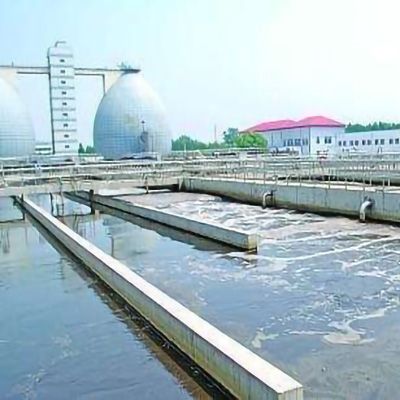
Wastewater Treatment

Agriculture
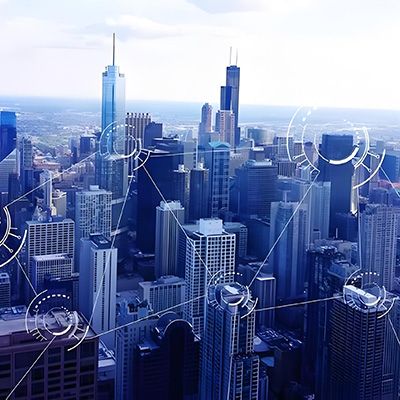
Smart City
Water quality sensors are indispensable in achieving intelligent, safe, and efficient water management. Whether you are working on environmental protection, agricultural water conservation, or industrial discharge control, Such Online Shop offers robust sensor products and expert consultation services to empower your solution.


