All Categories
    Menu Close
    Find a Sensor A - Z

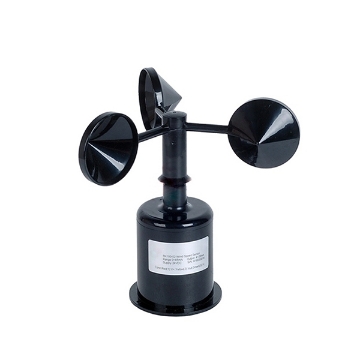
    Accuracy Wind Direction Sensor, 4-20mA/0-5V/RS485, 0~360°

    SKU: SUCH-WS-FX1
    $112.54
    ● Output signal options 4-20mA/0-5V/RS485/RS232 ● Measurement accuracy ±3°, resolution 1° ● Maximum power consumption 0.48 W ● Operating temperature –35℃~60℃
    *
    *
    🚚 Free shipping
    🕒 Delivery date: 6-12 days
    🔁 30-day Returns
    Overview

    Accuracy wind direction sensor features a built-in high-precision angle element and a low-inertia ABS wind vane design, enabling it to respond quickly and accurately to changes in wind direction. SUCH wind direction sensor supports multiple output methods including 4-20mA, 0-5V, RS485, and RS232, operates in a temperature range of -35℃ to 60℃, and has a maximum power consumption of only 0.48 W. It is widely used in meteorology, oceanography, environmental monitoring, airports and ports, and agriculture and industry.

    Feature

    • Compatible with two wiring methods: Supports bottom and side wiring to adapt to different installation environments.
    • Waterproof connector design: Waterproof and reliable interface for easy installation and maintenance.
    • Moisture-proof and corrosion-resistant structure: Constructed from ABS engineering plastic, effectively overcoming the aging problems of ordinary plastics and providing strong weather resistance.
    • Excellent measurement performance: Good linearity, high accuracy, no measurement dead spots, and sensitive dynamic response.

    Wind direction sensor feature

    Dimension (Unit: mm)

    Wind direction sensor dimension

    Wiring Method

    Wire Color Output Signal
    Voltage, Current, Pulse RS485 RS232
    Red Power Positive Power Positive Power Positive
    Black Power Negative A+ Connect to computer RX pin 2
    Yellow Signal B- Connect to computer TX pin 3
    Green - Power Negative Power Negative (Connect to computer pin 5)


    Installation Diagram

    Wind direction sensor installation

    Mounting Hole Diameter: 3.2mm

    Connector Diameter: 15mm (It is recommended to reserve 25mm for wiring convenience. Connect the wiring first, then install and secure the sensor.)

    Specs
    Measurement Range 0~360°
    Power Supply DC 5V, DC 9-30V
    Output Signal 4-20mA, 0-5V, RS485, RS232 (others contact us)
    Cable Length 0.8m
    Accuracy +3°
    Resolution 1°
    Starting Wind Speed ≤0.8m/s
    Maximum Power Consumption 0.48W
    Load Capacity DC12V Power Supply, Current Output Impedance ≤350Ω
    DC24V Power Supply, Current Output Impedance ≤900Ω
    Voltage Output Impedance ≥1KΩ
    Operating Environment: Temperature -35℃~60℃
    Humidity ≤100%RH without condensation
    Protection Level IP64
    Cable Specification Rated Voltage: 300V 80℃
    Application
    Agriculture

    Agriculture

    Agrometeorological research

    Agrometeorological Research

    Marine applications

    Marine Applications

    FAQ
    ❯

    Wind direction sensors typically use a weather vane (wind vane) to point in the direction of the wind. An internal angle sensor (such as a Hall element, encoder, or potentiometer) detects the wind vane's rotation angle in real time and converts it into corresponding wind direction data.

    ❯

    The main influencing factors include installation location, surrounding obstructions, wind vane resistance, sensor sensitivity, electrical interference, and extreme weather. Therefore, it is best to install it in an open environment.

    ❯

    Due to its moisture-proof and corrosion-resistant structure and weather-resistant ABS engineering plastic, it can operate stably for several years under normal conditions. The specific lifespan depends on the operating environment.

    5.0 1
    Write your own review Close
    *
    *
    Robert | 5/25/2026 12:45 AM
    Practical Sensor That Does the Job
    This wind direction sensor has been a nice upgrade from a cheaper model I was using before. I installed it on a rooftop setup, and it’s been exposed to fairly strong winds without problems. The readings respond naturally when the wind shifts and don’t seem overly sensitive or delayed. I also appreciate having multiple output options depending on the equipment being used. It’s not overly complicated, which I actually prefer.