
Level Sensor

Paddle Level Switch for Silo/Tank, SPDT Contact


Photoelectric Liquid Level Sensor, PNP/ NPN


RF Admittance Type Level Switch for Solids, SPDT Contact


Rotary Paddle Level Switch for Silo/Tank, Stainless Steel Blade


Stainless Steel Photoelectric Level Sensor for Water/Liquid, PNP/ NPN


Ultrasonic Level Sensor for Water/Liquid, 4-20mA


Ultrasonic Tank Level Sensor for Liquid/Solid/Powder, 0-40M


Vibrating Rod Level Switch for Powder/Tanks/Solids, SPDT Contact


Wireless Submersible Water Level Sensor, IoT-NB/4G/LoRaWAN


Capacitive Fuel Level Sensor for Diesel & Hydraulic Oil, 0-2000mm


Non Contact Ultrasonic Water Tank Level Sensor, 0.5-1.5M


WiFi Fuel Level Gauge, 52mm, 12V/24VDC


Bluetooth Ultrasonic Fuel Level Sensor, RS232/RS485/0-5V


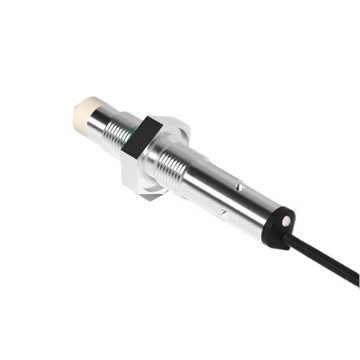
Capacitance Probe Level Sensor for Liquid/Powder

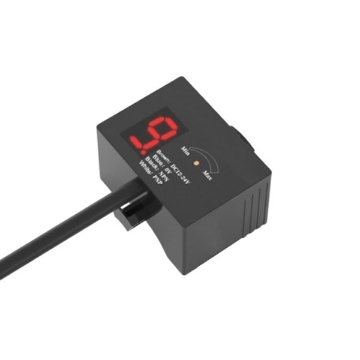

Digital Non Contact Capacitive Liquid Level Sensor for Pipeline


Non Contact Ultrasonic Liquid Level Sensor for Fuel/Oil


Non Contact Ultrasonic Water Level Sensor, Split Type, RS485/4-20mA


Stainless Steel Capacitance Type Level Transmitter for Hydraulic Oil


Ultrasonic Water Level Sensor for Tanks, WiFi/Zigbee


Waterproof Ultrasonic Water Level Sensor, Non Contact, IP67
What is a Level Sensor?
Level sensor is a device used to detect or measure the level of liquids, powders, or bulk materials in tanks, containers, silos, and industrial systems. It is suitable for factories, water treatment plants, chemical storage, agriculture, HVAC systems, food processing, and automation equipment users. By providing real-time level data or high/low level alarms, level sensors help prevent overflow, dry running, material shortage, pump damage, and manual inspection errors, making storage and process control safer, more efficient, and easier to manage.
Choose by Application
- Clean water tanks, reservoirs, storage tanks.
- Recommended:
- Ultrasonic Level Sensor
- Sewage, sludge, and wastewater treatment.
- Recommended:
- Radar Level Sensor
- Oil, solvents, granules, powders and bulk solids.
- Recommended:
- Capacitive Level Sensor
- Strong acid, alkali andchemical storage tanks.
- Recommended:
- Radar Level Sensor
Level Sensor FAQ
Q1: Which level sensor is best suited for industrial storage tanks?
For most industrial storage tanks, radar level sensors are typically the best choice because they provide non-contact, stable measurements of liquids, chemicals, wastewater, and in harsh environments.
Q2: How do I choose a level sensor for a water tank or chemical storage tank?
Select based on the type of medium, tank size, mounting method, and output signal. Ultrasonic level sensors are recommended for clean water tanks. Radar level sensors are recommended for corrosive liquids or wastewater. Capacitive level sensors are recommended for industrial tanks, oils, slurries, or solids.
Q3: Which level sensors support 4-20mA output?
Many industrial level sensors support 4-20mA output, making them suitable for PLCs, control panels, and automation systems. This feature is perfect for continuous level monitoring in water tanks, chemical storage, wastewater treatment, and process tanks in industrial plants.
Q4: Do you offer RS485 outdoor industrial level sensors?
Yes. RS485 level sensors are suitable for outdoor and industrial monitoring applications requiring digital communication, long-distance data transmission, and system integration. They are commonly used in storage tanks, reservoirs, wastewater treatment plants, and automated production systems.
Products Recommended by Scenario
 |
 |
 |
 |
|
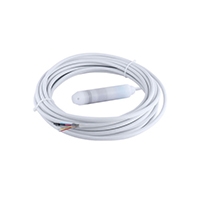
Anti-corrosion Submersible Level Sensor |
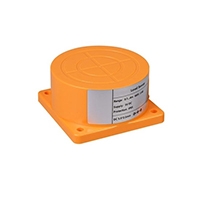
Smart Wireless Ultrasonic Level Sensor |
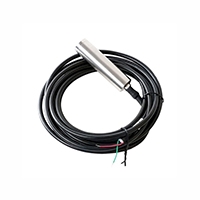
Submersible Hydrostatic Level Sensor |
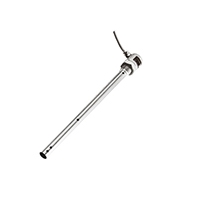
Capacitive Fuel Level Sensor |
|
Suitable for: Corrosive Liquid |
Suitable for: Water Tank |
Suitable for: Wastewater |
Suitable for: Industrial Tank |
|
4-20mA, RS485 0-20kPa to 0-200kPa PVDF housing, strong resistance |
2.4G WiFi, Zigbee 3.0 Range up to 5m IP65 waterproof housing |
4-20mA, 0-5V, 0-10V, or RS485 Range up to 100m For water, oil, fuel, or other liquid |
4-20mA, 0-5V, 0-10V Accurate & stable linear output 316 Stainless Steel, 0 to 2000mm |
Level Sensor Comparison Table
|
Type |
|||
|
Advantages |
Non-contact, high accuracy, stable in harsh conditions |
Non-contact, easy to install, cost-effective |
Compact, cost-effective, suitable for liquids and solids |
|
Limitations |
Higher initial cost |
Affected by foam, vapor, and high temperature |
Affected by material buildup, may need calibration |
|
Cost Level |
High |
Medium |
Low to Medium |
|
Output |
4-20mA, RS485, HART |
4-20mA, RS485 |
4-20mA, RS485 |
|
Typical Applications |
Corrosive liquids, wastewater, chemical tanks |
Water tanks, open channels, clean liquids |
Industrial tanks, oils, slurries, and bulk solids |
|
View Product |


